

Employee Wellness Solutions: How Ergonomic Workspaces Drive Real Results
Introduction: Why Employee Wellness Solutions Matter in 2026
Stress, hybrid work fatigue, and musculoskeletal injuries are quietly eroding productivity across Singapore and Asia-Pacific. From 2020 to early 2024, Singapore's Ministry of Manpower recorded an average of 338 work-related musculoskeletal disorders per year, with back injuries making up roughly 91% of cases. Meanwhile, a 2024 Telus Health survey found that 67% of Singapore workers reported at least one indicator of burnout. These are not fringe problems-they affect your workforce every day.
Modern employee wellness programs must move well beyond ad-hoc perks like free snacks or occasional yoga sessions. They need to address workspace design, posture support, and daily work habits with the same rigour as any other business initiative. This article will show how practical, ergonomic-led employee wellness solutions can improve employee health, strengthen employee engagement, elevate employer branding, and drive enhanced productivity.
Ergoworks is a Singapore-based provider of ergonomic office furniture and corporate wellness solutions. By combining medically endorsed furniture, workspace design, and posture wellness services, Ergoworks helps organisations turn their physical environment into a genuine wellbeing asset.
What this article covers:
- What employee wellness programs look like in 2026 and why the workspace matters
- The business case: ROI, reduced absenteeism, and retention
- Key pillars of effective wellness and why ergonomics is foundational
- How to design, implement, and measure a workspace-centred wellness program
- Mental health, engagement tactics, and partnering with Ergoworks for integrated results
What Are Employee Wellness Programs Today?
Employee wellness programs are organised initiatives by employers to support the physical, mental, and emotional health of their people. A well-designed corporate wellness program goes beyond isolated perks to offer a structured system of preventive care, support, and environment improvements aligned with company culture and organisational needs.
Common components include health screenings, ergonomic assessments, mental health resources such as counselling and Employee Assistance Programs, nutrition education, movement breaks, and digital wellbeing tools. Comprehensive wellness programs also include elements of preventive healthcare and financial wellness education, empowering employees to manage stress, finances, and future planning more effectively. Digital wellness platforms now provide telehealth services and health risk assessments, giving personalised access to health resources and tools. Social wellness programs create community and foster a sense of belonging among employees.
Critically, employee wellness now includes the physical work environment-chairs, desks, lighting, acoustics-as a core pillar. Singapore's SS 514 code of practice for office ergonomics makes clear that poorly designed furniture and workstations cause physical fatigue, strain, and mental stress. Employee wellness programs extend far beyond gym memberships and fitness classes when workspace design is treated as foundational.
Example: Edenred Singapore redesigned its office using Activity-Based Working, introducing flex spaces, quiet pods, and collaborative zones. One month post-move, 72% of employees felt positive about the layout and 60% said productivity improved. DBS Bank added wellness zones, neurodivergent rooms, and ergonomic furniture to its headquarters-showing how workplace wellness programs can be deeply integrated into office design.
A structured employee wellness program differs from scattered perks by aligning wellness initiatives with employee needs, company values, and measurable goals. Wellness initiatives should align with both organisational needs and company culture to produce real health outcomes.
The Business Case: How Employee Wellness Drives Performance
Employee wellness initiatives directly contribute to enhanced productivity and reduced absenteeism. When musculoskeletal pain drops, employees take fewer sick days, maintain better focus, and complete tasks faster. Wellness programs can reduce absenteeism by up to 25%, and healthy employees improve productivity and performance significantly.
The impact extends to employee engagement, retention, and employer branding. In competitive talent markets like Singapore's tech and finance sectors, wellness programs help attract top talent and signal genuine organisational care. Engaged employees are 87% less likely to leave their jobs, making wellness a powerful retention tool. Work-life balance programs further support employee autonomy and time management, contributing to stronger job satisfaction.
ROI findings are compelling. The Unilever Singapore "Lamplighter" program achieved a healthcare cost ROI of 1.72:1 and an overall ROI of 3.50:1 when productivity gains were included. Across broader studies, companies with wellness programs see a 6-to-1 ROI on investment. Employers benefit from lower healthcare and insurance costs through proactive wellness measures, while organisations that integrate wellness report gains in retention and productivity.
Ergonomic interventions-adjustable chairs, standing desks, monitor arms-connect directly to measurable outcomes. Fewer back complaints, faster task completion, and reduced micro-break disruptions all follow when the physical workspace supports the body properly. Health-focused workplaces reduce absenteeism and healthcare costs through these proactive measures.
Mini Case: A mid-sized Singapore fintech (~400 staff) surveyed employees and found 20% reporting musculoskeletal discomfort. After deploying ergonomic chairs, sit-stand desks, and digital posture tools alongside mental health support, reported disorders dropped to 8% within 12 months, medical claims fell by SGD 30,000, and turnover in high-stress roles decreased by 15%.
Key Takeaways:
- Wellness programs can reduce absenteeism by up to 25%
- Companies with wellness programs see a 6-to-1 ROI
- Ergonomic upgrades often pay back within 12 months
- Wellness initiatives enhance employee engagement and retention rates
- Wellness programs help attract top talent in competitive job markets
Key Pillars of Effective Employee Wellness Solutions
Strong employee wellbeing depends on multiple, interconnected pillars. Boosting employee well-being requires a multi-layered approach addressing various health aspects. Modern corporate wellness encompasses physical, mental, emotional, and financial wellness aspects. Here is an overview of each pillar-later sections dive deeper into ergonomic and workspace-related solutions.
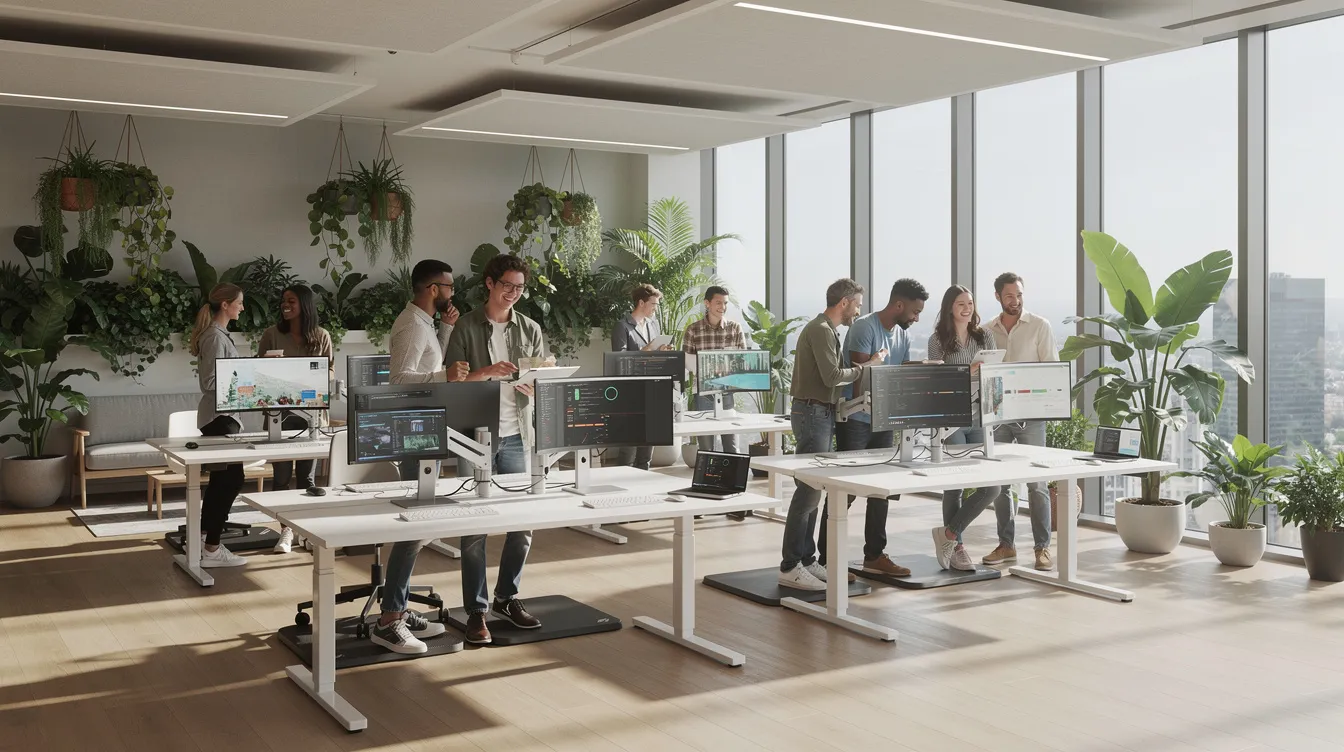
- Physical wellness: Focuses on fitness, vitality, and preventative care. Includes ergonomic furniture, movement breaks, physical activity programs, and fitness challenges. Ergonomic posture support and safe workstations are foundational because they affect daily comfort for every employee, every hour.
- Mental and emotional support: Addresses mental health challenges through counselling, resilience workshops, stress management workshops, and Employee Assistance Programs. Provides coping mechanisms to reduce burnout and anxiety.
- Social connection: Peer support circles, team wellness challenges, and community-building activities. Social wellness programs foster belonging and reduce isolation, especially in hybrid settings.
- Workspace design: Quality lighting, acoustics, quiet pods, collaboration areas, and hybrid-ready furniture. Directly shapes the environment in which all other pillars operate.
- Financial wellness: Financial wellness education empowers employees to manage budgets, debt, and future planning. Financial strain is a major contributor to workplace distraction and lost productivity, making this pillar increasingly important.
- Behavioural and habit-based support: Training on posture, micro-break reminders, digital detox periods, and work-life flexibility initiatives that help employees make healthier choices daily.
Ergonomics as a Core Wellness Strategy
Ergonomics directly influences employee health outcomes. Neck, back, and wrist pain are among the most common reasons for medical leave in Singapore. Data from MOM shows back injuries constitute about 91% of work-related musculoskeletal disorders, underscoring how critical proper workstation design is for physical health. Ergonomic assessments prevent physical strain and improve employee comfort across every role.
Health-focused office furniture plays a vital role: ergonomic chairs with adjustable lumbar support, tilt, and armrests reduce spinal load; height-adjustable standing desks break up prolonged sitting; monitor arms position screens at eye height to relieve neck strain; footrests and keyboard trays reduce awkward wrist and shoulder angles. Physical wellness programs that focus on these elements deliver measurable results.
Ergoworks' approach combines medically endorsed ergonomic solutions with workspace design for modern hybrid offices. Their product range includes sit-stand desks, acoustic pods, mobile workstations, and ergonomic accessories from their corporate ergonomic workspace solutions. Posture wellness initiatives like Ai Posture Analysis, ergonomic advisory services, and Ergonomic Talks extend the impact beyond furniture into daily behaviour change-making this a comprehensive corporate wellness solution.
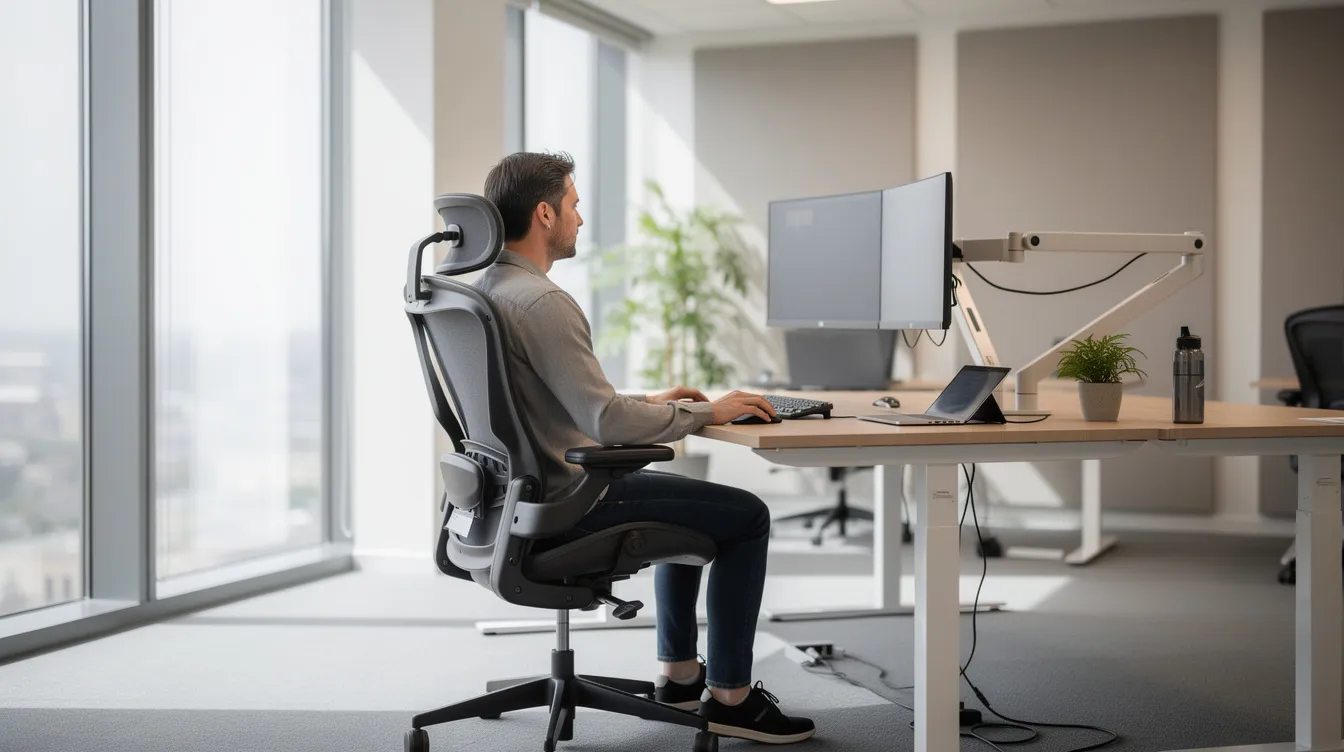
Scenario: A contact centre with 200 agents found that 70% reported lower back discomfort and 50% reported neck pain, with absenteeism averaging 8 days per year. After deploying adjustable chairs, monitor arms, height-adjustable desks, and running posture training, discomfort reports fell by approximately 50% in 9 months, musculoskeletal-related absenteeism dropped by 30%, and output per agent improved by roughly 10%.
Designing an Employee Wellness Program Around the Workspace
Effective wellness programs require thoughtful planning and communication. Start by assessing employee health and comfort needs, then map findings to practical, phased changes. Workplace strategies should be tailored to meet specific employee needs for effectiveness. Effective wellness solutions integrate flexible workplace practices to improve morale and productivity across hybrid and on-site teams.
Ergoworks provides end-to-end support: consultation, WSH-compliant recommendations, product selection, bulk procurement, logistics, and free installation to minimise disruption. Effective wellness programs require regular assessment and adjustments to stay relevant.
Implementation Steps:
- Baseline survey: Assess discomfort frequency, work modes (hybrid, on-site), and current workstation setup via employee feedback
- Workstation audit: Evaluate furniture, layout, lighting, noise, and ergonomic risk factors on-site
- Prioritise interventions: Target highest-risk or highest-complaint areas first
- Pilot deployment: Introduce ergonomic chairs, sit-stand workstations, and behaviour modules to a test group
- Phased rollout: Expand in stages to manage cost and change fatigue
- Training and reminders: Run Ergonomic Talks, micro-break prompts, and safe laptop-use guidelines for home setups
- Monitor and adjust: Track furniture usage, posture tool data, and ongoing employee feedback to refine the program
Supporting Mental and Emotional Wellbeing at Work
Physical discomfort and poor workstation design don't just cause pain-they raise stress levels, increase irritability, and erode concentration. When employees constantly shift position or struggle with neck strain during long meetings, mental wellness suffers alongside physical wellness. Employee wellness solutions must treat these as connected, not separate.
Mental health resources provide coping mechanisms to reduce burnout and anxiety. Mental health solutions include Employee Assistance Programs, counselling, and mindfulness apps. For example, 69% of employees used the ThoughtFull app for mental health support, and 87% of users would recommend the ThoughtFull app to others-evidence that accessible digital tools drive real uptake. Confidential counselling access increases employee willingness to seek help, while mental health training for managers improves team support capabilities and helps identify mental health risks early. Effective mental health support includes stress management workshops as part of the broader corporate wellness program.
Practical, low-friction initiatives make a significant difference. Quiet zones using acoustic meeting pods and focus booths provide space for deep work and sensory recovery. "No-meeting" blocks lower cognitive load and give employees room to breathe. Ergonomic Talks can include modules on stress, digital fatigue, and posture habits to address mental health concerns and physical wellness together.
Visible leadership support and psychological safety are essential. When leaders actively participate in wellness activities and normalise the use of emotional support services, employees engage more readily. Mental health conditions deserve the same attention and confidentiality as any other health concern. A holistic approach to employee wellness-where mental wellbeing and physical health reinforce each other-leads to greater job satisfaction and workplace loyalty.
Driving Employee Engagement and Participation
Some employees are sceptical about wellness initiatives-they see them as superficial or disconnected from their actual needs. Others have different requirements depending on whether they work at a desk, on the move, or in hybrid arrangements. Programs that are convenient and focus on real employee feedback yield higher participation. Regular engagement in wellness programs enhances productivity and employee morale.
Well-designed wellness programs improve employee engagement and productivity when they meet employee expectations with concrete, accessible options. Wellness initiatives can include fitness classes and nutrition education alongside ergonomic improvements. Friendly competition through gamified challenges creates stronger engagement, while recognition of progress keeps momentum alive.

Engagement Ideas:
- Gamified posture or step challenges with team-based friendly competition
- Workstation makeover days where employees share before-and-after desk setups
- On-site and virtual Ergonomic Talks accessible for hybrid staff and deskless workers
- Quarterly micro-surveys to collect employee feedback and adjust offerings
- Spotlight stories celebrating individual wellness journeys and healthier choices
- Small rewards tied to participation, not perfection-supporting a stronger alignment between wellness and company culture
Visible, well-communicated wellness and ergonomic investments also strengthen employer branding. When candidates see evidence of genuine workplace wellbeing-photos of new wellness zones, testimonials, upgraded furniture-it becomes a competitive advantage in attracting top talent.
Measuring Impact and Continuously Improving Your Program
Track the metrics that matter: absenteeism rates, injury and musculoskeletal disorder reports, self-reported discomfort, utilisation of wellness resources, and employee engagement scores. Employee wellness solutions lead to better health and reduced chronic conditions when monitored and refined over time. Regular assessments improve the effectiveness of wellness programs.
Set up simple, recurring feedback loops. Quarterly pulse surveys on comfort and workplace wellbeing, post-training feedback from Ergonomic Talks, and utilisation data for mental health resources all provide actionable insights. Digital wellness solutions offer personalised access to health resources and tools, while Ai Posture Analysis can deliver anonymised, aggregate insights into posture risks and workstation usage patterns across the organisation.
Use data to refine your corporate wellness program continuously: adjust furniture specifications, add more acoustic pods, consider rental soundproof acoustic pods for flexible capacity, expand mental health offerings where demand is high, or introduce additional support for underserved workforce segments. Wellness should be continuous, not a one-off event. Annual reviews keep your wellbeing strategy aligned with business goals and workforce changes.
6–12 Month Review Checklist:
- Compare injury and absenteeism metrics against baseline
- Assess furniture usage and maintenance needs
- Survey employee comfort, mental wellbeing, and engagement
- Calculate cost versus benefits realised (medical claims, productivity, retention)
- Gather feedback from all segments: hybrid, on-site, remote, deskless
- Plan next adjustments to furniture, services, or program pillars
Partnering with Ergoworks for Integrated Corporate Wellness Solutions
Corporate wellness solutions improve employee physical and mental wellbeing when they combine the right products, services, and ongoing support. Ergoworks helps organisations in Singapore and the region design and implement employee wellness solutions tailored to their people, space, and industry. Employee wellness solutions encompass holistic programs supporting a workforce's overall health-and that starts with the workspace.
Key offerings include:
- Ergonomic chairs, standing desks, monitor arms, footrests, and keyboard trays
- Acoustic pods, mobile workstations, and privacy booths for hybrid offices such as soundproof acoustic office pods for 6–8 people
- Ergonomic Talks, Ai Posture Analysis, and professional advisory services
- WSH compliance guidance, bulk procurement catalogues, and end-to-end logistics with free installation
Partnering with Ergoworks delivers healthier employees, a healthier workplace, and stronger employer branding. Well-designed wellness programs can enhance workplace culture and employee satisfaction while contributing to enhanced productivity and long-term organisational health. Wellness programs enhance retention rates significantly, and the evidence throughout this article shows that ergonomic-led wellness delivers measurable returns.
Ready to support employee wellbeing with solutions that actually work? Book a workplace assessment or consultation with Ergoworks to design or upgrade your employee wellness program-and turn your workspace into your strongest wellness asset.