

Mesh Office Chairs in Singapore: A Practical Guide to Cooler, Healthier Seating
If you work at a desk in Singapore, your chair is doing one of two things: helping you stay comfortable and focused, or quietly making your day worse. This guide breaks down everything you need to know about mesh office chairs, from how they handle Singapore's warm climate to the ergonomic features that actually matter for long hours at a desk.
Quick Answer: Why Choose a Mesh Office Chair?
A mesh office chair uses tensioned fabric or polymer mesh across the backrest and sometimes the seat, creating a breathable seating surface that allows air to pass through rather than trapping heat against your body. For anyone working in Singapore's climate, this distinction matters more than most people realise.
Here is why mesh chairs consistently rank among the most practical options for everyday comfort:
- Breathability: mesh improves airflow and reduces heat build-up, keeping you cooler during extended periods of sitting
- Ergonomic support: quality mesh conforms to your body shape, providing consistent support without the "bottoming out" that foam develops over time
- Adjustable features: most models include adjustable seat height, lumbar support, armrests, and recline settings
- Durability: premium mesh chair materials resist sagging over time unlike traditional foam padding
- Low maintenance: mesh office chairs are lightweight and easy to move, clean, and maintain
Compared to padded fabric or leather chairs, mesh designs offer better airflow for Singapore's humidity while maintaining a modern and lightweight aesthetic compared to bulky leather chairs. At Ergoworks, the focus is on ergonomic mesh office chairs designed for everyday comfort in offices, home offices, and study rooms across Singapore.
What Is a Mesh Office Chair & How Is It Different?
A mesh chair replaces traditional foam-and-fabric upholstery with tensioned mesh panels. An ergonomic mesh office chair goes further by adding adjustable components, including lumbar support, seat depth control, tilt mechanisms, and armrests, to maintain healthy posture throughout the workday.
There are two main designs to understand:
- Full mesh chairs use mesh for both the seat and backrest. These prioritise maximum airflow and are ideal for users who sit 8–10 hours daily, such as programmers, analysts, or call-centre staff.
- Mesh-back hybrids pair a mesh backrest with a cushioned seat, offering back ventilation with a softer sitting experience. These suit users who alternate between a standing desk and seated work, or students using a chair in a compact study room.
Within the broader category of ergonomic office chairs, mesh designs sit alongside padded executive chairs and gaming chairs. The difference is emphasis: where executive chairs lean into heavy padding and aesthetics, ergonomic chairs with mesh design prioritise function, airflow, and spinal alignment. High-quality mesh can flex and conform to the body for better ergonomic support, adapting to each user rather than forcing a single shape.
Key Benefits of Mesh Office Chairs for Singapore Workspaces
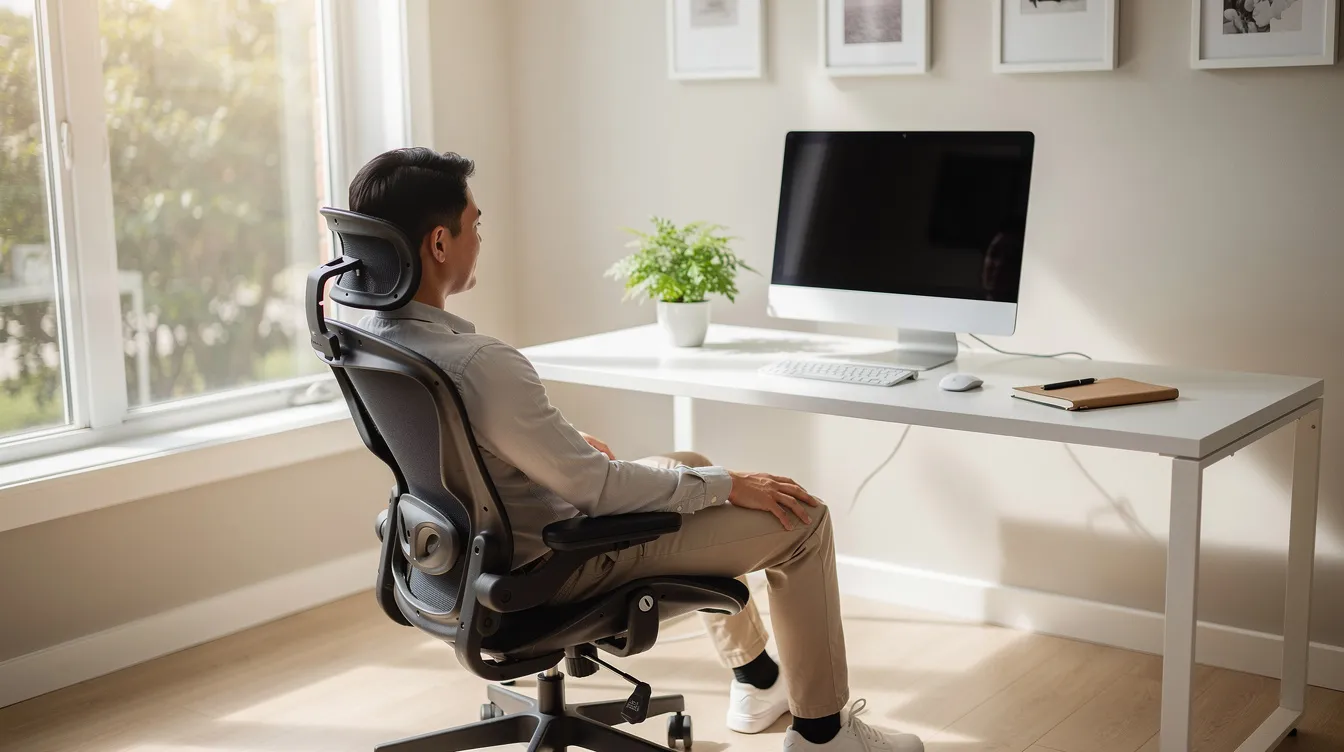
Singapore's equatorial climate means heat and humidity year-round. Even in air-conditioned offices, cooling can be uneven, and home offices in HDB flats or older buildings often lack consistent climate control. Combine that with 8–10 hour workdays, and the chair you sit in makes a noticeable difference.
Better airflow, less discomfort. A study by Hedge, Saito & Jagdeo (2005) measured skin and body temperature across foam, mesh, and gel chairs. Mesh designs significantly reduced thermal discomfort over 90-minute sessions. Breathable mesh prevents the clammy, sticky sensation that foam and leatherette develop in humid conditions. Breathable materials make a tangible difference when air-conditioning cycles off or when your home workspace lacks full cooling.
Reduced fatigue during long hours. Ergonomic designs and proper lumbar shaping in mesh chairs help distribute body weight evenly. Ergonomic mesh chairs promote comfort and productivity during long work hours, and ergonomic chairs reduce fatigue and improve productivity, which matters whether you are coding, studying, or managing a team.
Practical for multiple workspace types. Mesh chairs suit hybrid work setups, creative studios, study rooms, meeting rooms, and call-centre-style offices. Many mesh chairs support users up to 120 kg in weight, making them viable across a wide range of body types and work styles.
Ergoworks Mesh & Ergonomic Office Chair Range in Singapore
Ergoworks is a Singapore-based ergonomic office furniture specialist serving both individual buyers and corporate teams. The product range spans entry-level to premium, covering different workspace needs:
|
Tier |
Example Model |
Key Features |
Best For |
|---|---|---|---|
|
Entry / Hybrid |
Truly One (~S$269) |
Mesh back, simpler adjustments |
Students, occasional WFH, compact spaces |
|
Mid-Premium |
Truly Airflex (~S$999) |
Enhanced lumbar, waterfall seat edge, multi-angle recline |
Daily home office use, 6–8 hours |
|
Premium Full Mesh |
D2 Dual Comfort (~S$1,699) |
Korean mesh seat, dual backrest, 3D armrests, seat depth adjustment |
Corporate offices, 8–10+ hour days |
|
Several Ergoworks models, including the Falcon and Truly Perfect Chair V2, are endorsed by the Singapore Physiotherapy Association and the Chiropractic Association Singapore. These endorsements add clinical credibility for individuals with back concerns and for companies meeting workplace health requirements. |
|
|
|
Ergoworks offers delivery, free installation, and bulk corporate procurement across Singapore, making it straightforward to outfit a single desk or an entire office floor with comprehensive ergonomic workspace solutions for enterprises.
Essential Ergonomic Features to Look For in a Mesh Chair
Not every mesh chair qualifies as ergonomic. A basic mesh chair provides breathability but may lack the adjustable support needed for prolonged sitting. Here is what separates a true ergonomic office chair from a standard mesh chair.
Must-have adjustable features:
- Adjustable seat height: essential for proper posture, allowing feet to rest flat on the floor or a footrest. Look for a certified gas lift mechanism.
- Seat depth: approximately 5–10 cm of adjustment to match thigh length without pressing into the back of the knees.
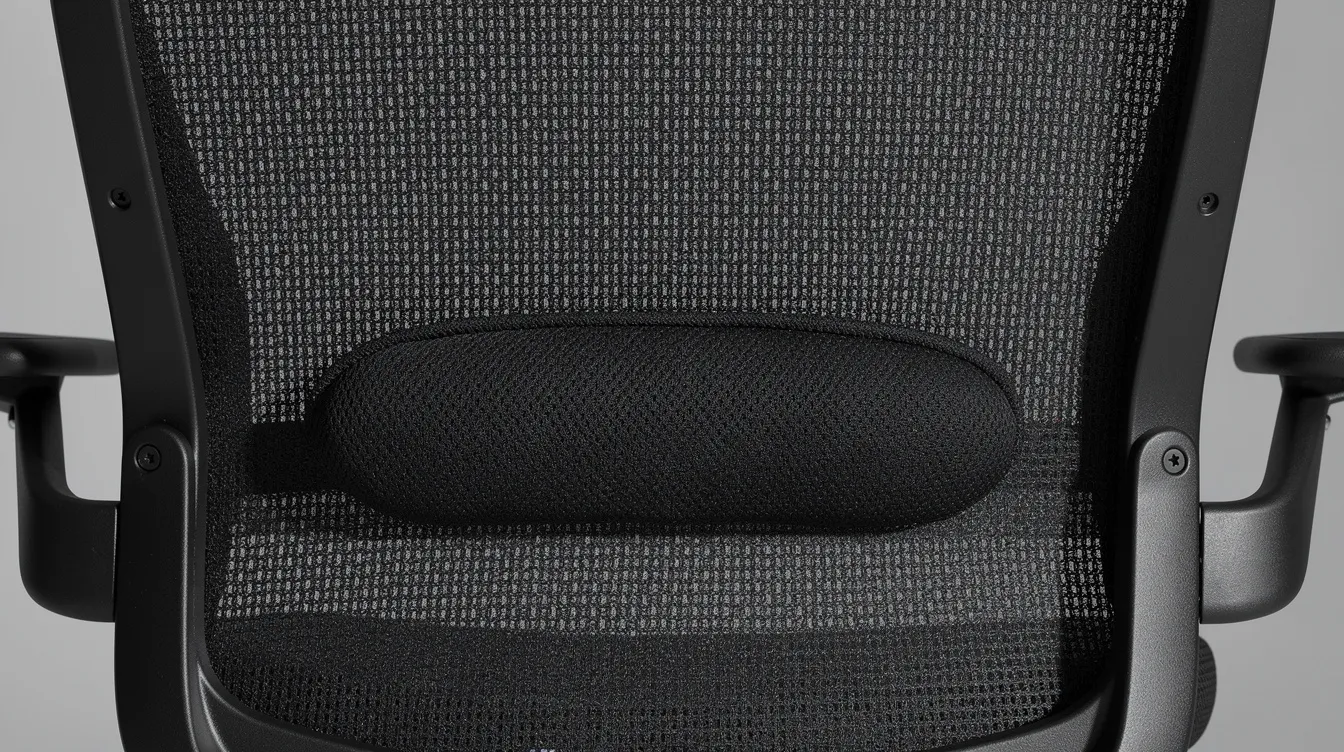
- Adjustable lumbar support: many ergonomic chairs feature adjustable lumbar support that moves in height and depth to accommodate different body types.
- Tilt and recline: chairs can have multi-angle recline settings for comfort, with lockable positions that let you shift posture throughout the day.
- Adjustable armrests: 2D to 4D armrests enhance user comfort and support, helping maintain neutral shoulder and wrist postures. These pair well with ergonomic monitor arms and a standing desk setup.
- Height-adjustable backrests: these accommodate different user heights and ensure the lumbar curve aligns with the user's spine.
Headrest considerations. Adjustable headrests are worth prioritising if you handle frequent video calls, long reading sessions, or need neck support during reclined work. The headrest should adjust in both height and angle.
According to the NUS Office Ergonomics Manual, an ergonomic chair should maintain natural spinal curves, offer adjustable seat depth, and provide adequate lumbar support. Choosing ergonomic furniture can significantly impact posture and comfort at work.
Posture, Spinal Alignment & Reducing Fatigue
Why does posture support matter so much? Because poor posture during prolonged sitting leads to physical strain, neck strain, and chronic back issues over months and years. This applies to office workers, students, and anyone spending long hours at a screen, including those using gaming chairs that often lack proper lumbar support.
The neutral S-curve. Your spine has a natural spine curve with a gentle inward arch at the lower back (lumbar lordosis). Lumbar support maintains the natural curve of the spine, and proper lumbar support reduces strain during long work sessions. Without it, users tend to slouch, which compresses intervertebral discs and creates fatigue.
In an ergonomic mesh office chair, the mesh backrest flexes to match your back's contours while adjustable support keeps the lumbar zone properly positioned. This helps improve posture and maintain correct posture throughout the day. Lumbar support helps prevent chronic back pain, which is why it is one of the most important ergonomic features in any chair.
Seat design and micro-movements. Correct seat depth prevents sliding forward (which creates a lumbar void) or pressing the seat edge into the back of the knees. A waterfall seat edge reduces thigh pressure. Synchronised tilt mechanisms encourage micro-movements, reducing fatigue and keeping blood flowing during extended periods.
Ergoworks integrates posture wellness expertise into its recommendations, including Ai posture analysis tools and ergonomic advisory services based on Singapore Standard SS 514:2005, which defines requirements for work chair ergonomics, including backrest design and adjustability.
Matching Your Mesh Office Chair to Your Workspace
The best office chair is the one that fits how and where you actually work. A perfect chair in a showroom means little if it does not suit your home and office setups.
Compact HDB study rooms. Midback chairs are compact and space-efficient for home offices and study rooms. Choose a mesh chair that can tuck neatly under the desk when not in use. Lighter frames make rearranging easier.
Dedicated home offices. A full mesh office chair with a headrest, adjustable seat height, and multi-angle recline gives maximum comfort for 6–8 hour days. Make sure the chair's height range matches your desk height.
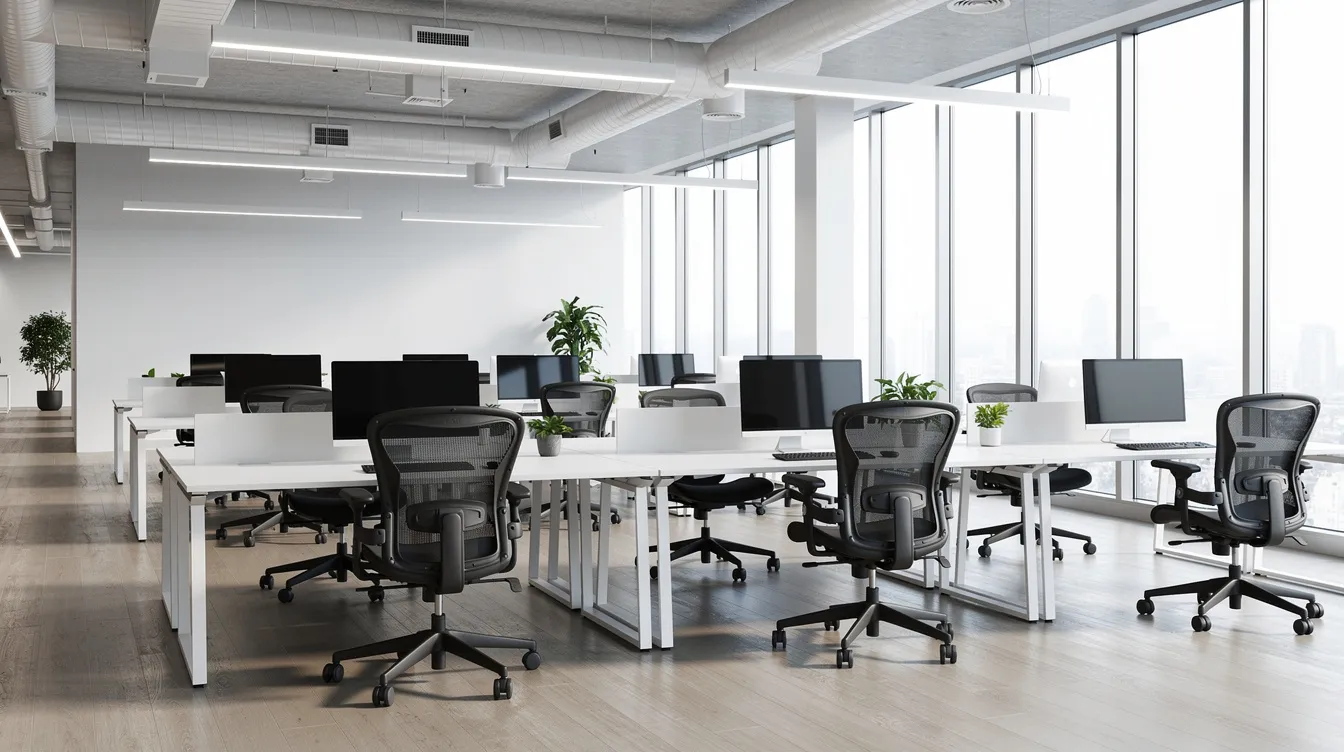
Corporate open-plan offices. Highback chairs provide neck support for taller users and suit workstations where employees sit for long hours. For hot-desking areas, choose durable models with simple adjustability that multiple users can reset quickly.
Standing desk pairing. If you alternate between sitting and standing, your mesh office chair needs a wide seat height range so you can transition without mismatch. Drafting chairs or a sit-stand workstation with integrated monitor support are essential for elevated work surfaces where standard chairs fall short.
Meeting rooms. Lighter mesh task chairs without headrests keep meeting rooms uncluttered while still offering better airflow than padded alternatives, and larger soundproof acoustic office pods for 6–8 people can provide private, quiet spaces for longer discussions.
Consider your work styles, office setups, and whether the chair will serve one user or many before making a decision.
Mesh Office Chairs vs Other Office Chair Materials
Material choice directly affects your sitting experience, maintenance routine, and how long the chair lasts. Here is how mesh compares to other common options in Singapore.
|
Factor |
Mesh |
Leather / Leatherette |
Padded Fabric |
|---|---|---|---|
|
Breathability |
Excellent; better airflow throughout |
Poor; traps heat, feels sticky in humidity |
Moderate; absorbs moisture |
|
Temperature control |
Stays cool; reduces heat build-up |
Warms quickly without AC |
Retains warmth |
|
Durability |
Premium mesh resists sagging 8–15 years |
Leatherette may crack or peel under sweat |
Foam compresses in 1–3 years |
|
Maintenance |
Low maintenance; easy to clean |
Leather office chairs offer a premium feel and easy maintenance but need conditioning |
Absorbs odours, harder to clean |
|
Aesthetic |
Modern, lightweight |
Formal, executive |
Varies |
|
Mould resistance |
Mesh chairs resist mould growth better than fabric chairs |
Moderate |
Poor in humid conditions |
|
Standard chairs with low-density foam lose firmness faster in Singapore's humidity, where moisture accelerates foam degradation. For users in non-air-conditioned spaces or anyone who values a cooler sitting experience, a right mesh office chair is the practical choice. |
|
|
|
Leather or leatherette suits formal corporate settings with strong air-conditioning and shorter sitting durations. Hybrid designs (mesh back, cushioned seat) offer a middle ground for users who want some plushness without sacrificing back ventilation.
Care & Maintenance of Mesh Office Chairs
Simple care routines extend chair lifespan and preserve ergonomic performance. Mesh chairs require low maintenance and are easy to clean, but neglecting them shortens their useful life.
Cleaning steps:
- Mesh chairs can be cleaned with a vacuum and damp cloth. Vacuum the mesh backrest and seat weekly to remove dust and skin cells.
- Spot clean mesh chairs with soap and water for minor stains.
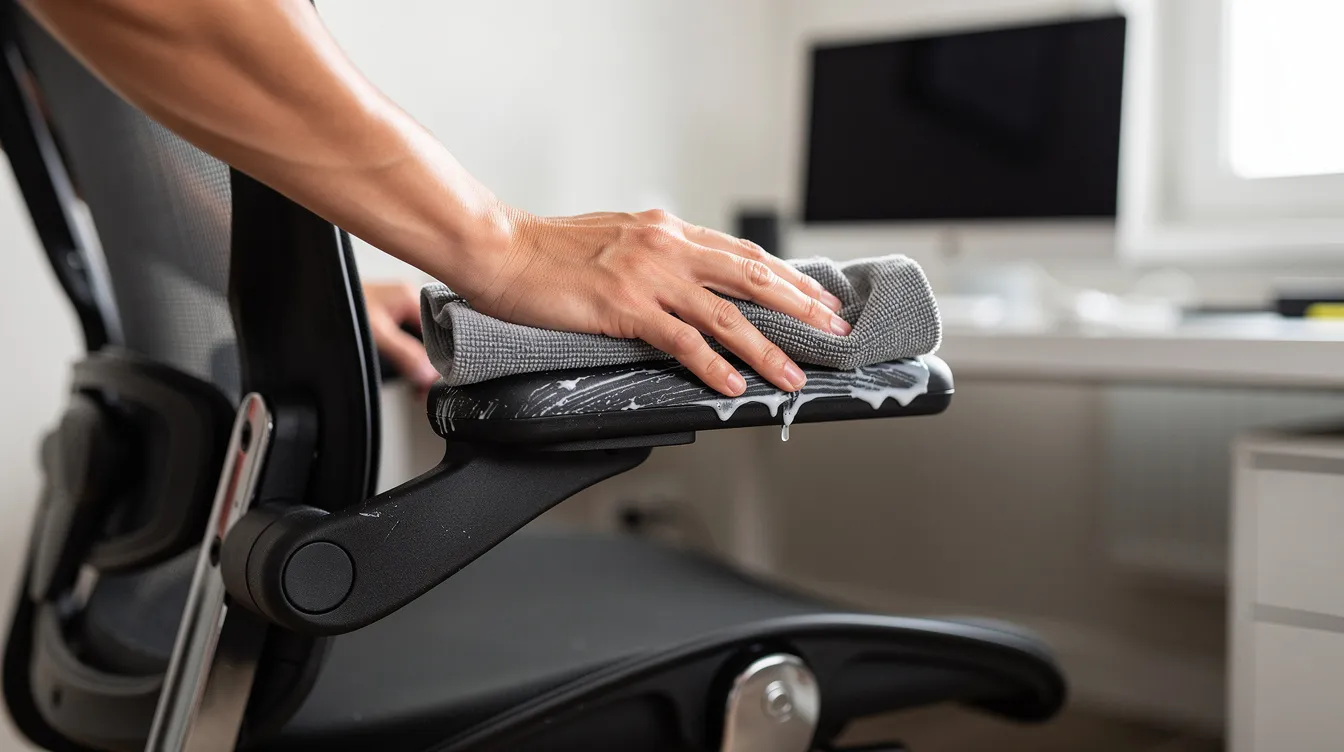
- Wipe plastic and metal frames with a damp cloth. Let all surfaces dry fully to prevent mildew.
- Avoid harsh chemicals to prevent damaging mesh fibres.
Mechanical maintenance:
- Every few months, inspect screws, casters, the gas lift, and tilt/lock mechanisms. Tighten anything that has loosened.
- Regularly clear debris from chair wheels for smooth movement, especially on carpeted floors.
- Use a chair mat on delicate flooring (parquet, vinyl) to prevent scratching and reduce rolling resistance.
For shared or hot-desking setups, rotate chairs periodically to distribute wear evenly. Avoid placing mesh chairs in direct sunlight, as UV exposure degrades polymer fibres faster in Singapore's climate.
Ergoworks Solutions for Companies & Teams in Singapore
Ergoworks operates as a workspace partner, not just a chair retailer. For companies looking to upgrade ergonomics across teams, Ergoworks provides end-to-end services:
- On-site ergonomic assessments to identify risk factors and recommend furniture configurations
- Ai posture analysis apps for individual employee posture feedback
- Ergonomic talks to educate teams on better posture, break habits, and workstation setup
- WSH-compliant ergonomic office fit-ups, aligned with WSHC guidelines on workplace ergonomics
Bulk procurement covers ergonomic mesh office chairs, standing desks, monitor arms, acoustic meeting pods for focused collaboration, and accessories for healthier, more productive workdays. Ergonomic chairs can support users weighing up to 120 kg, and many ergonomic chairs include adjustable lumbar support features, making fleet purchasing straightforward across diverse teams.
For HR and management, the benefits are measurable: reducing fatigue, lowering physical strain-related absenteeism, and supporting employee well-being and retention. Ergonomic chairs support spinal alignment for long hours, which translates into fewer complaints, better focus, and a workspace that signals genuine care for people.
How to Choose the Right Mesh Office Chair: Step-by-Step
Whether you are buying for yourself or running procurement for a team, these steps help you find the right chair.
- Assess body size and height range. Check the chair's stated height and weight capacity. Most Ergoworks models accommodate 140–190 cm and up to ~120 kg.
- Estimate daily work duration. For 4–6 hours, a mid-range hybrid with a mesh backrest and cushioned seat works well. For 8–10+ hours, invest in a full mesh chair with comprehensive adjustable features.
- Check your desk type. If you use a standing desk, ensure the chair's adjustable height range covers both seated and elevated positions. Confirm the chair fits under your desk height when not in use.
- Prioritise adjustable support. At minimum: adjustable seat height, adjustable lumbar support, and adjustable armrests. For maximum comfort, look for seat depth adjustment, multi-angle recline, and adjustable headrests.
- Test before committing. Visit the Ergoworks showroom in Singapore to test mesh tension, seat edge comfort, and lumbar alignment in person. If visiting is not possible, consult Ergoworks ergonomic advisors remotely for guidance on the right office chair for your natural posture and workspace.
Finding the right mesh office chair is about matching the chair's ergonomic features to your body, your desk, and your daily routine.
FAQs About Ergonomic Mesh Office Chairs
These questions come up frequently from Singapore customers shopping for an office chair in Singapore.
Are mesh ergonomic office chairs comfortable for 8–10 hours daily? Yes, provided the chair has proper lumbar support, adjustable seat depth, and a quality mesh that provides consistent support without sagging. A mesh office chair solves the heat and fatigue problems that padded standard chairs create during long hours. Mesh chairs improve airflow, keeping users cool during long sitting sessions, which makes a noticeable difference in your home workspace or corporate office over a full workday.
Do mesh office chairs provide enough lumbar support compared to padded chairs? Many mesh chairs offer adjustable lumbar support that matches or exceeds padded alternatives. The key is adjustability: the lumbar mechanism should move in height and depth to fit your natural spine curve. This delivers optimal posture and better posture regardless of your body type, reducing fatigue across extended periods.
Can I use a mesh office chair with a standing desk? Absolutely. Look for models with a wide adjustable seat height range so the chair transitions smoothly between desk heights. Some users also pair a drafting-height mesh chair for elevated surfaces. The goal is that your feet rest flat on the floor at any height setting.
What warranty and after-sales support does Ergoworks provide in Singapore? Ergoworks chairs carry multi-tiered warranties: structural warranties can extend up to 10–12 years for premium models, while mechanism and mesh components typically carry 1–3 year coverage. Free installation, spare part availability, and responsive after-sales support are standard. For high quality office chairs, this warranty structure reflects confidence in build quality and gives buyers practical peace of mind.