

Office and Chairs & Office Furniture: Ergonomic Seating for Modern Workspaces
Spending eight or more hours a day at a desk takes a measurable toll on your body. The office chairs and office furniture you choose determine whether those hours end in fatigue and chronic pain or in sustained comfort and sharp focus. This guide walks you through the ergonomic features that matter, how to match seating to your workspace, and how to plan a cohesive furniture ecosystem across every zone of a modern Singapore office.
Ergonomic Office Chairs for Long Hours of Work
Choosing the right office chair affects physical well-being and productivity more than most people realise. Sitting for prolonged periods can damage health, and an ill-fitting chair accelerates that damage by forcing the spine out of alignment. In Singapore, the numbers are striking: a study of 324 office workers found that 73.4% reported pain in at least one body region, with neck, shoulders and lower back topping the list. Between 2020 and the first half of 2024, the Ministry of Manpower recorded an average of roughly 338 work-related musculoskeletal disorder cases per year, 91% of which were back injuries.
An ergonomic chair with proper lumbar support maintains the natural spine curve to minimise strain on the lower back and neck during long hours at the desk. Features like adjustable seat height, recline tension, backrest tilt and adjustable arm support let you maintain proper posture while encouraging micro-movements that keep blood flowing. Regular movement breaks are still important to avoid static strain from sitting, but the right chair makes every seated minute far less punishing.
Ergoworks focuses on medically endorsed ergonomic chairs designed for Asian body proportions and compact city workspaces, so the adjustability ranges genuinely suit the people who use them.
Core benefits of a well-chosen ergonomic office chair:
- Helps you maintain proper posture, protecting lumbar discs and cervical spine
- Delivers everyday comfort and all day comfort, reducing pain-driven distraction
- Supports productivity by lowering absenteeism and enabling longer focused work sessions
- Proper ergonomic setups boost productivity and reduce stress across entire teams
 Key Ergonomic Features to Look For in an Office Chair
Think of this section as a practical checklist for finding the best office chair. Every feature below targets a specific source of discomfort, so skip none of them when comparing models.
Adjustable lumbar support is the single most important feature. It should move up and down in height and ideally in and out in depth so it follows the S-curve of your spine at belt level. Adjustable lumbar support helps maintain proper spinal alignment, and a 2023 study confirmed that adding lumbar support significantly improved lumbar and pelvic posture during prolonged sitting. Adjustable features in chairs suit different body types, making this non-negotiable for shared or hot-desking environments.
Seat height, depth and width work together to position your body correctly. Seat height adjustability is crucial for proper foot and thigh positioning: your feet should rest flat on the floor with knees at roughly 90 degrees. A typical range of 40–55 cm covers most users. Optimal seat depth allows for two to three finger clearance behind the knees; proper seat depth minimises strain during long work sessions by preventing pressure on the backs of the thighs. Seat width should be at least 48.9 cm under BIFMA standards to accommodate a broad range of hip sizes.
Backrest height and shape differ between mid-back designs (supporting up to the shoulder blades) and high-back designs that include neck and head support. Mid-back chairs suit open-plan task work; high-back chairs with headrests are better for executive offices where users recline during phone calls. Recommended backrest height ranges start around 35–45 cm above the seat for mid-back and reach 60–70 cm for full high-back models.
Recline and tilt tension encourage balanced recline, which promotes healthy movement and reduces pressure on intervertebral discs. 3D or 4D armrests should adjust to support a comfortable elbow angle, keeping shoulders relaxed. Breathable mesh materials prevent heat buildup during long working sessions-mesh office chairs improve airflow and reduce heat build-up, a clear advantage in Singapore's climate. A waterfall seat edge slopes downward at the front to promote circulation in the thighs. BIFMA certification ensures office chair safety and durability, so look for it on any shortlisted model. Ergonomic chairs often feature adjustable seat height and armrests as standard; if a chair lacks these, move on.
Matching Office Chairs to Your Workspace & Desk Setup
Office chairs don't exist in isolation. They connect to desks, conference tables, acoustic pods and lounge areas, and the fit between them determines whether good ergonomics actually reaches the user. Adjusting the workspace layout enhances ergonomic benefits beyond the chair itself.
Proper desk height allows elbows to form a 90-degree angle when forearms rest on the work surface. A typical fixed desk in Singapore sits at 730–750 mm. Adjust your chair so your elbows align with that surface; if the chair must go too high for your feet to rest flat on the floor, add a footrest. A chair should fit the user comfortably to avoid discomfort, and that comfort starts with desk-to-seat alignment.
Pairing ergonomic chairs with a standing desk unlocks even more health gains. Sit-stand desks promote movement during work hours. Standing desks reduce the risk of weight gain and obesity, can lower blood sugar levels after meals, improve mood and energy levels, and reduce back pain associated with prolonged sitting. Alternating between sitting and standing every 30 to 60 minutes is recommended. Ergonomic tables include options for electric or manual height adjustment, and sit-stand desk converters allow switching between sitting and standing without replacing your existing desk. For higher desk height settings, drafting chairs or perching stools give you a supported midpoint between full sitting and standing. Ergonomic tables support healthy sitting habits during long hours when used in concert with quality seating.
For small home offices in Singapore, compact task chairs with narrower width and shallower depth keep walkways clear. Larger corporate offices can accommodate more substantial high-back chairs in executive rooms. Consider floor type when choosing castors: soft rubber wheels for tile or timber floors to minimise noise and scratching, and always select a stable five-star base rated for the user's weight.
Quick fit-check points:
- Desk height aligns with elbow height when seated (730–750 mm for most desks)
- Feet flat on the floor, knees at ~90°, with a ~5 cm gap behind the knees
- Enough space in the room to swivel, roll and move without bumping furniture
- Screen positioned at eye level to avoid neck strain
Types of Office Chairs for Different Roles and Rooms
Different tasks and zones call for different chair types. Here is how to match them.
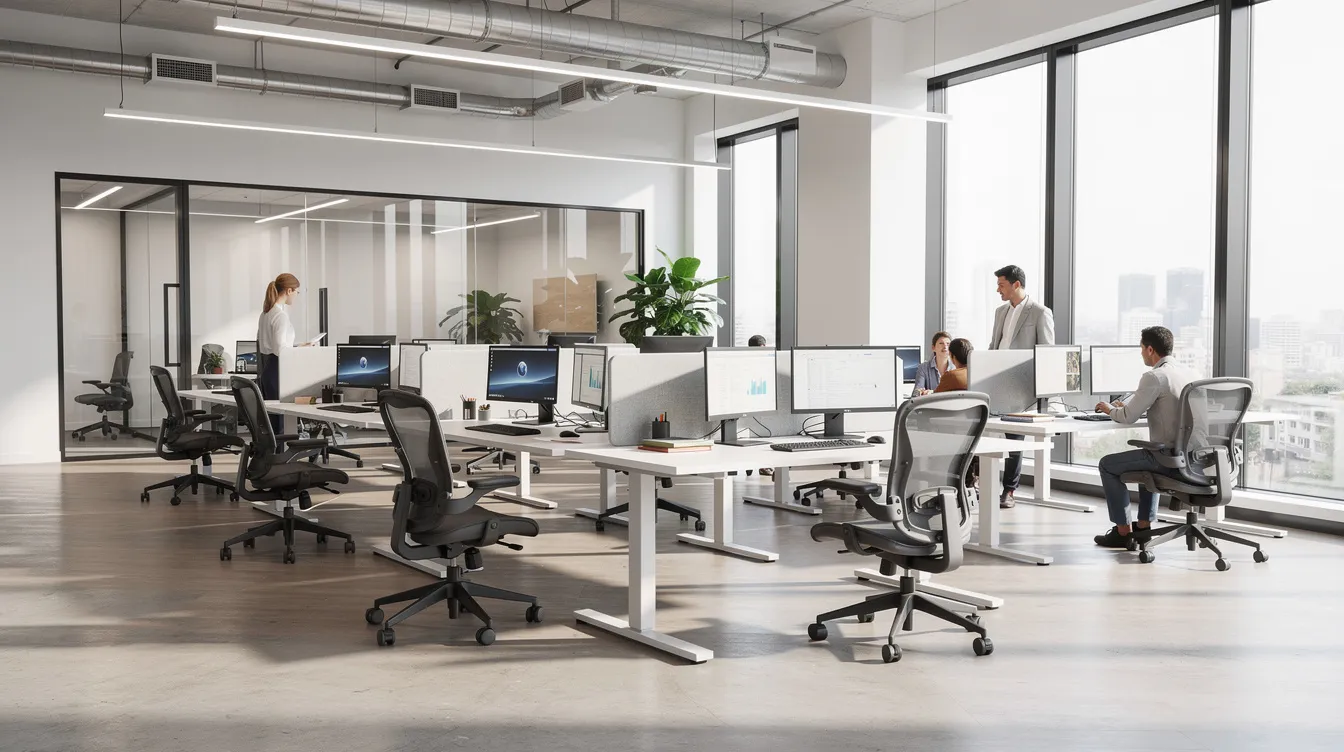
Ergonomic task chairs are the everyday workhorse for open-plan offices, hot-desking areas and individual workstations. They deliver full adjustable features-seat height, seat depth, lumbar support, armrests, tilt-in a compact footprint that lets you stay productive through long work sessions. High-use office chairs should have durable frames and warranties of 5–12 years.
Executive chairs feature high-back designs with integrated headrests, softer padding and premium style in leather or high-grade fabric. They pair naturally with an Executive Manager Desk in director or manager rooms, where the visual statement matters as much as the support.
Mesh chairs vs padded or leather finishes come down to climate and session length. Mesh office chairs improve airflow and reduce heat build-up, making them ideal for Singapore's warmth and for anyone who spends long hours seated. Padded or leather chairs suit shorter sessions in heavily air-conditioned boardrooms where comfort feel and aesthetics take priority.
Active seating and drafting chairs serve agile teams, labs and breakout zones. Perching stools and taller chairs work alongside standing desks and bar-height tables, encouraging users to shift posture frequently and break up static sitting.
Designing a Cohesive Office with Ergonomic Chairs & Furniture
Comfort, acoustics and aesthetics should be planned together, not treated as separate budget lines. A unified design across every zone reinforces professionalism and signals that the organisation genuinely invests in employee well-being.
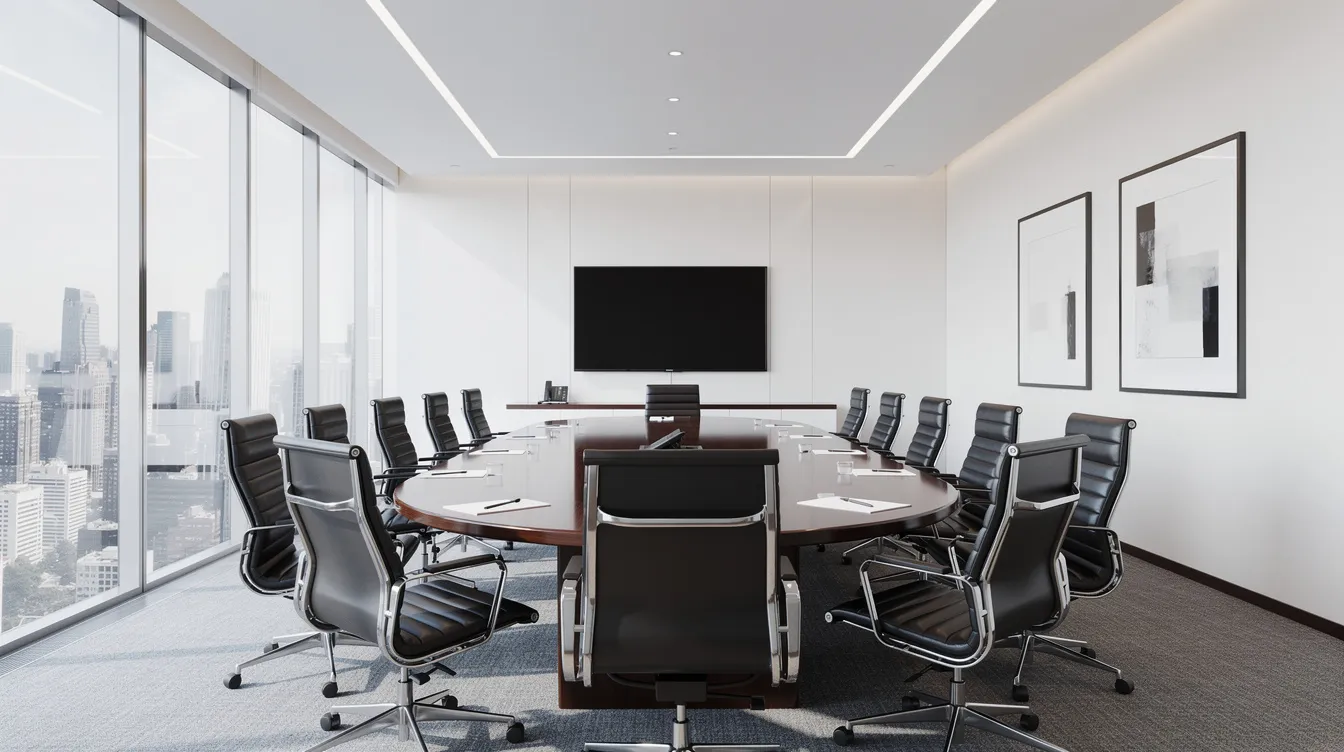
In boardrooms, pairing refined meeting chairs with an Executive Oval Conference Table creates a cohesive look while still delivering back support through a 90-minute strategy session. Task chairs at surrounding workstations can share the same colour family for visual continuity.
For focused work in open-plan offices, the Zig-Zag Acoustic Pod Workstation combines desk-height worktops with acoustic fabric partitions. Acoustic pods enhance privacy in open office environments, reduce noise levels and improve focus and productivity. They can accommodate one to four people comfortably and are designed to create a quiet space for calls and meetings. Mid-back task chairs fit neatly inside without crowding the pod's footprint. AI apps can analyse posture using computer vision technology right at these stations, and posture analysis apps provide real-time feedback on alignment. Over time these apps track posture changes and suggest personalised exercises for improvement.
Informal collaboration zones come alive when you pair bar-height stools or active chairs with the Executive Fluted Bar Table in pantries and breakout spaces. For reception and client-facing areas, a Modular Curved Sectional Sofa in the lobby creates a welcoming first impression, while a few ergonomic visitor chairs near check-in counters deliver genuine support even for brief waits.
Choosing the Best Office Chair for Your Team or Home Office
Whether you are a corporate buyer planning a bulk purchase or an individual upgrading a home office in Singapore, a structured approach saves money and prevents regret.
Start by profiling your users. Measure the height range of the team, note shoulder width and consider how those figures influence backrest height and seat width selection. Singapore's workforce spans roughly 150 cm to over 190 cm; a chair with a seat-height range of 40–55 cm and adjustable seat depth will cover most people. Ergonomic fit-ups include adjustable features for personalised comfort, so prioritise models that let every user dial in their own fit.
Next, evaluate ergonomic features against your budget. Core adjustments-adjustable seat height, adjustable lumbar support, backrest recline and armrests-are non-negotiable. Cosmetic extras like polished aluminium bases or premium leather can wait. Spend where it counts: a good ergonomic chair can last between five and ten years, and ergonomic furniture can last five to ten years with proper care, so the per-year cost of a quality chair is surprisingly low.
Consider work patterns. Long hours at the computer demand full support and breathable mesh. Hybrid workers who split time between desk, meetings and remote settings need chairs that adjust quickly. Hot-desking environments need durable, intuitive controls that any user can operate in seconds.
Finally, trial before you commit. Ergoworks can conduct in-office evaluations, posture analysis using AI tools, and pilot chair programmes before a bulk purchase. On-site testing captures real feedback and ensures the final specification truly matches user needs.

Ergoworks Services: From Single Chair to Full Ergonomic Office Fit-Up
Ergoworks serves both individual customers and corporate clients across Singapore and the wider Asia region. Key services include ergonomic advisory, AI posture analysis, and Ergonomic Talks for staff. Ergonomic Talks emphasise posture wellness in the workplace, provide educational resources on workplace wellness, and aim to reduce long-hour fatigue at work. Workspace audits review desk height, backrest height and seating posture to identify quick wins and long-term improvements.
Beyond chairs, Ergoworks plans complete office furniture layouts across a wider office furniture collection, integrating ergonomic chairs, standing desks, executive desks, conference tables, monitor arms and acoustic pods. Logistics are handled end to end. Bulk procurement can reduce costs for office furniture purchases, and organisations can benefit from bulk procurement for ergonomic furniture with volume pricing. Bulk orders often come with warranties for office furniture, and free delivery is often included with bulk furniture orders. WSH-compliant recommendations, free installation on qualifying orders, and post-installation adjustments round out the support.
Why organisations partner with Ergoworks:
- Medically endorsed products designed for Asian body proportions
- End-to-end service from ergonomic advisory to fast delivery and installation
- AI posture analysis and Ergonomic Talks that drive lasting behaviour change
- Compliance with Singapore Standard SS 514:2016 and WSH guidelines
Visit the Ergoworks showroom in Singapore or contact the corporate team to discuss your specific office chair and office furniture needs. A single conversation can set the foundation for a workspace where every team member can deliver their best work in peace and comfort.