

Sound Reducing Panels: Practical Acoustic Solutions for Singapore Workspaces and Homes
Excessive noise and poor acoustics silently drain productivity in Singapore offices, classrooms, and homes every day. Sound reducing panels offer a practical, cost-effective way to reclaim clarity and comfort without tearing down walls. This guide walks you through how these panels work, which types suit your space, and how to integrate them into a holistic workspace strategy.
Sound Reducing Panels vs. Soundproofing: Answering the Core Question First
Here is the most common misconception: acoustic panels and soundproofing do the same thing. They do not. Soundproofing and sound absorption serve different purposes. Acoustic panels absorb sound within a room, reducing echo and reverberation so voices are clearer. Soundproofing prevents sound from entering or leaving a space entirely, using heavy assemblies like mass-loaded vinyl and resilient channels.
Sound reducing panels, sound dampening panels, and acoustical panels all refer to porous, absorbing materials that manage unwanted noise bouncing inside a room. Sound isolation panels and noise insulation panels, on the other hand, are denser constructions designed to block noise transfer between rooms or from outdoors. Acoustic panels improve sound clarity but do not block noise from MRT lines or expressways.
|
|
Acoustic Panels (Sound Reducing) |
Soundproof / Noise Insulation Systems |
|---|---|---|
|
Problem solved |
Echo, reverberation, background noise inside a room |
Sound transmission between rooms or from external noise |
|
Typical spaces |
Meeting rooms, educational spaces, home offices, recording studio environments |
Bedrooms facing traffic, condos with thin walls, studios requiring total isolation |
|
Materials |
Fabric panels, PET absorbing panels, foam, mineral wool |
Dense boards, double plasterboard, mass-loaded vinyl, sealed assemblies |
|
Cost |
Lower per m²; easier retrofit |
Higher; often requires renovation |
Two Singapore scenarios to clarify:
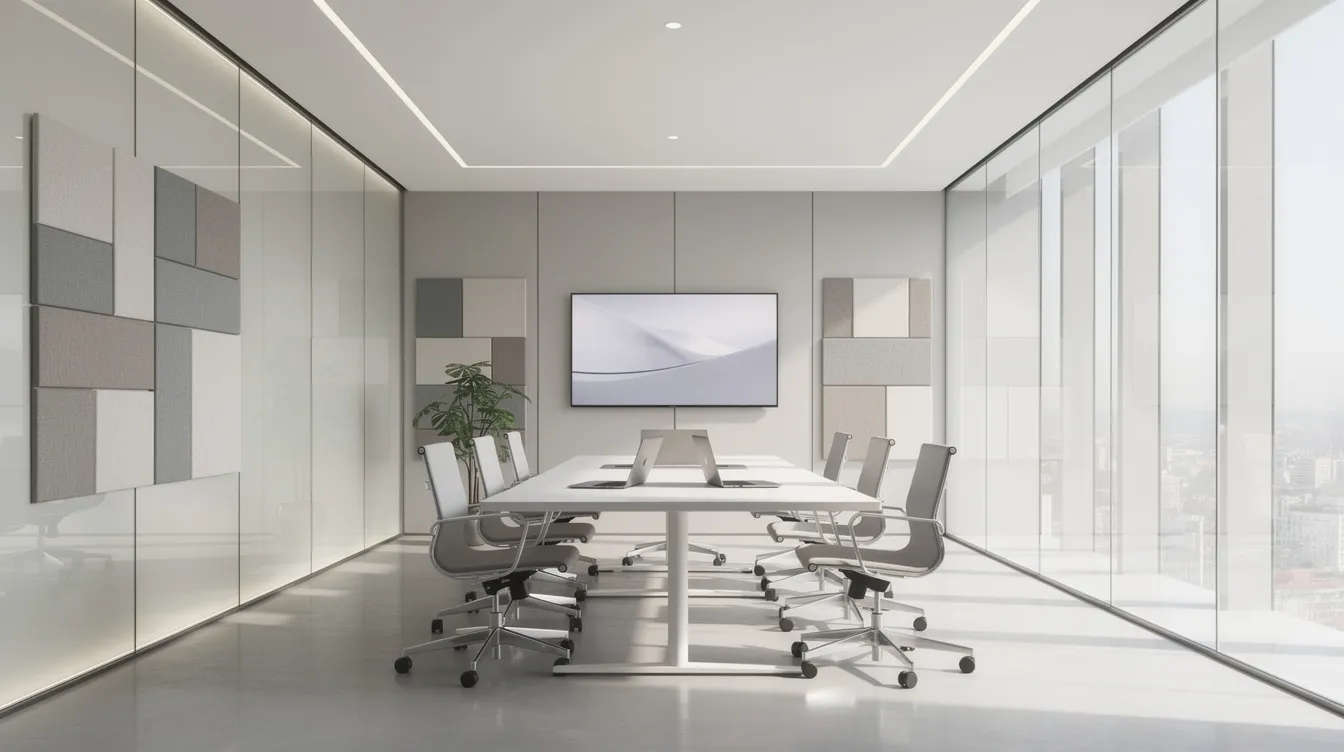
- A glass-walled meeting room at Raffles Place suffers from echo off hard surfaces. Acoustic wall panels on side walls and the ceiling solve this without structural changes.
- A 4-room HDB flat in Tampines beside an expressway has traffic rumble penetrating bedrooms. Here, sound insulation through sealed windows and dense wall add-ons is needed. Internal echo can then be managed separately with absorbing panels.
Ergoworks often combines sound reducing panels with enclosed meeting pods for layered noise control, giving teams both ambient noise reduction and high-privacy spaces for calls.
How Sound Reducing Panels Work (Without the Jargon)
Sound waves hitting hard surfaces like glass, concrete, and tile create echoes and reverberation. Singapore's modern interiors, heavy on these materials, are particularly echo-prone. This is where sound absorbing panels step in.
Sound-reducing panels improve internal room acoustics through absorption. The friction within porous sound absorbing materials converts sound energy into heat, preventing reflections. Reverberation time is reduced by acoustic panels, and the Noise Reduction Coefficient (NRC) measures how effectively a panel absorbs sound. For example, a 12 mm PET panel mounted directly achieves an NRC of roughly 0.45; add a 50 mm air gap behind it, and NRC jumps to approximately 0.65.
Sound isolation works differently: denser panels add mass and decouple wall structures to limit noise transfer between rooms or units, relevant for condos and semi-detached homes.
Before vs. after panels (sound path):
- Without panels: Speaker → sound hits wall → reflected back → hits opposite wall → multiple echoes → listener hears muddled speech
- With panels: Speaker → sound hits panel → energy absorbed → fewer reflections → speech clarity dramatically improved
Types of Sound Reducing Panels Used in Modern Interiors
Different panel types suit different spaces. A boardroom demands a different solution than a gym or a café. Here are the main categories, including the range of materials commonly specified in Singapore:
- Fabric-wrapped panels: Fibrous cores (mineral wool, fiberglass) wrapped in decorative fabric. Fabric-wrapped panels are ideal for design-sensitive spaces like boardrooms and hospitality venues. Various materials like mineral wool and fiberglass are used in acoustic panels of this type.
- PET / recycled polyester panels: Acoustic panels can be made from recycled PET plastics. Lightweight, moisture-resistant, and available in dozens of colours. Best for schools, open-plan offices, and shared spaces.
- Wooden slat / timber panels: Wooden acoustic panels combine sound absorption with attractive design, making them popular for reception areas and modern interiors. Wood wool panels are eco-friendly and LEED-friendly.
- Perforated boards: MDF or wood with perforations over an absorptive backing. Durable finish for high-traffic areas.
- Foam panels: Foam panels are lightweight and absorb mid-to-high frequencies. Common in recording studio setups and budget home offices.
- High-density noise insulation panels: Used behind walls for sound insulation where blocking transmission matters.
Additional acoustic products include wooden diffusers that scatter sound waves in larger rooms, and bass traps that absorb low-frequency sounds in room corners. Different types of acoustic panels include foam, fabric, and wooden diffusers, each with distinct acoustic performance profiles.
Acoustic panels are commonly used in offices and studios, but eco friendly materials like recycled PET are expanding their appeal to environmentally conscious projects. Ergoworks specifies panel types to complement ergonomic solutions like height-adjustable desks and pods, ensuring both sound control and posture comfort.
Best Uses of Acoustic Panels in Singapore Work and Learning Spaces
Here is where acoustic treatment translates into real productivity gains across Singapore commercial projects.
Offices and meeting rooms: Wall-mounted acoustic panels behind presenters and on side walls tame echo in glass-heavy meeting rooms. Acoustic panels enhance speech clarity in meeting rooms and improve speech intelligibility for both in-person and remote participants. When full isolation and privacy are needed, an Ergoworks soundproof meeting pod is the right solution.
Open-plan workspaces: Acoustic panels create quieter environments in open-plan offices. Suspended ceiling baffles can control noise in open-plan environments, while desk dividers with built-in absorbing panels reduce cross-talk in hot-desking floors with open layouts. Acoustic absorption helps clarify speech and reduce noise levels across collaboration zones.
Educational spaces: Post-2020 hybrid learning drove schools and tuition centres to upgrade room acoustics. Ceiling panels and wall panels in lecture theatres improve focus and reduce distractions. Installing panels also improves comfort in restaurants and cafes where clearer conversations matter.
Training rooms and townhalls: Combining acoustic panels with sound-treated Ergoworks pods allows both large and small group sessions without cross-noise in corporate HQ environments.

Acoustic Panels for Homes, Condos and Home Offices
Since 2020, demand for acoustic panels in Singapore home offices and study rooms has surged. Singapore residents working from home discovered that hard-surfaced HDB flats and condos with concrete walls, tiled floors, and large windows make video calls an exercise in frustration.
A few well-placed fabric panels above the desk or behind the monitor can dramatically improve sound quality on video calls. Acoustic panels help reduce distractions in home offices by controlling echo that muddies voices. Pairing panels with an ergonomic chair and sit-stand desk creates a more comfortable space for long work sessions.
For bedrooms and living rooms, sound dampening panels behind the TV and at first reflection points improve home cinema music quality and reduce disturbance to neighbours. Kids' study corners and piano practice rooms near shared walls benefit from absorbing panels, and adding a sound isolation layer behind a feature wall can keep peace in HDB flats with thin walls.
For compact spaces, a single-person phone pod offers plug-and-play noise control without permanent installation.
Designing with Innovative Acoustic Panels in Modern Interiors
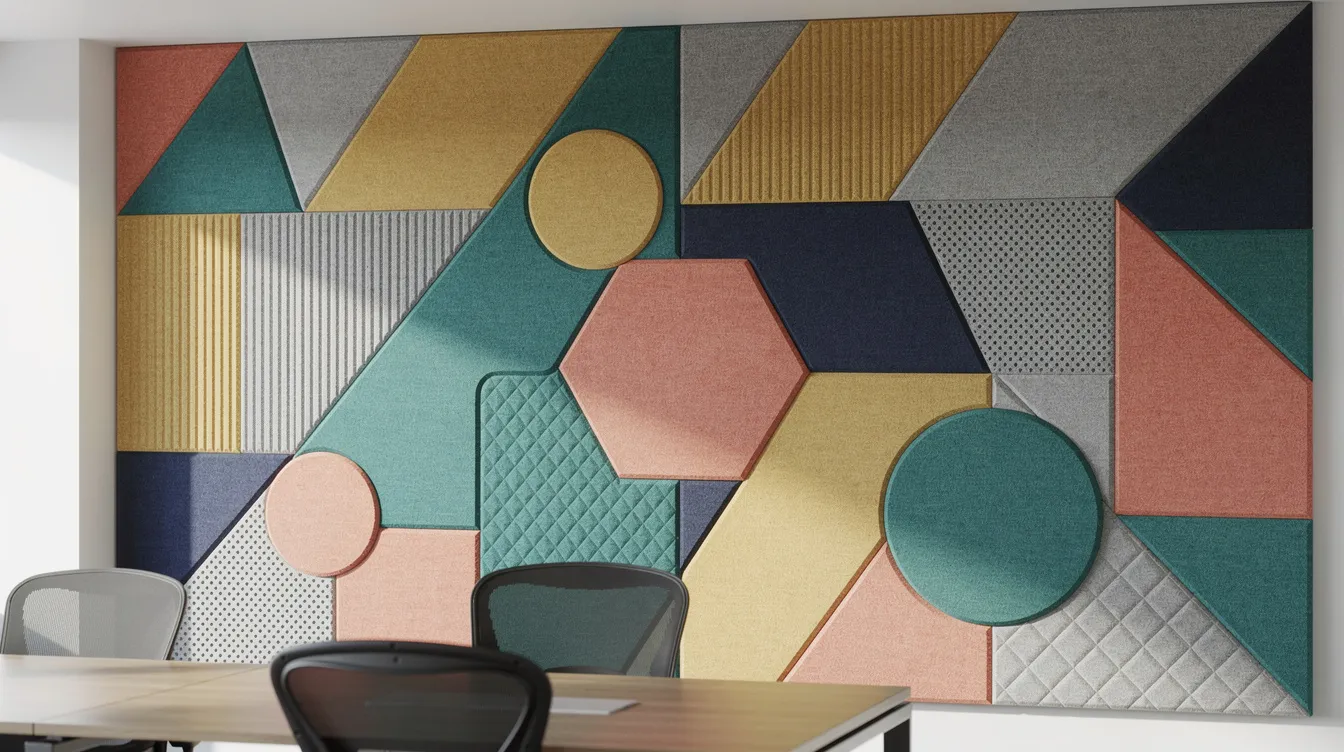
Sound reducing panels no longer need to look like afterthoughts. Acoustic panels can be customized to match interior design, turning acoustic treatment into a design statement that interior designers actively seek out.
Fabric panels can be printed with corporate branding or colour-blocked to match brand palettes in reception areas. Innovative acoustic panels like 3D sculpted PET tiles, slatted timber acoustic products, and modular baffles create visual rhythm while delivering noise reduction.
Mini case examples:
- A fintech office in 2023 installed geometric acoustic art walls in its breakout area, using printed PET panels that doubled as brand storytelling.
- A boutique tuition centre added colourful PET panels shaped like letters and numbers, making the space inviting for children while reducing echo in the classroom.
Ergoworks works with designers and facility teams to integrate soundproofing solutions and panels seamlessly into broader workspace design, including pods, monitor arms, and cable-managed standing desks.
Selecting the Right Sound Reducing Panels for Your Project
Choosing the right panels comes down to a few practical decisions.
Key decision factors:
- Room purpose: meeting, focus, collaboration, or rest
- Noise sources: internal chatter vs external noise like traffic
- Privacy level required
- Temporary (rental pods, removable panels) vs permanent installation
Coverage guidance: Size and layout of the room affect the number of panels needed. Small meeting rooms typically need 25–40% of wall and ceiling surfaces treated. Classrooms and home offices may need less. Effective sound reduction requires proper material thickness and coverage area, so skimping on coverage delivers minimal benefit.
Installation considerations: Installation placement is critical for effective acoustic panel performance. Factor in existing walls vs new partitions, typical Singapore office ceiling heights, and fire-safety compliance (EN 13501 ratings). Professional installation avoids sagging and ensures optimal acoustic performance.
Budget tip: Mix premium decorative panels in visible areas with simpler absorbing panels in back-of-house zones. Sometimes it is more cost-effective to deploy an Ergoworks meeting pod than to undertake heavy renovation, especially for soundproofing wall assemblies.
Eco Friendly and Health-Focused Acoustic Solutions
Acoustic comfort sits alongside ergonomics, posture support, and lighting as a pillar of workplace wellness. Choosing eco friendly acoustic solutions reinforces environmental stewardship while improving the quieter environment your team needs.
Recycled polyester panels are eco-friendly acoustic solutions that support Singapore's sustainability goals. Polyester panels are manufactured from 100% recycled materials, and sustainable acoustic panels reduce environmental impact through durability. All Enocoustic products are accredited with the Singapore Green Label Certification, making them a strong choice for projects targeting green building certifications.
Low-VOC finishes matter in sealed offices and educational spaces running air-conditioning all day, where indoor air quality directly affects occupant health. Ergoworks prioritises certified, health-oriented materials in both its ergonomic furniture and acoustic products, aligning with corporate wellness objectives.
One example: several Singapore firms in 2024–2025 chose recycled PET panels in Singapore specifically to support ESG reporting while upgrading acoustic comfort across their office floors.
How Ergoworks Integrates Acoustic Panels with Pods and Ergonomic Workspaces
Ergoworks positions itself as a holistic workspace partner, not just a furniture supplier. The approach combines ergonomic furniture, acoustic panels, and enclosed pods to deliver complete sound and wellness solutions under one advisory roof.
In open-plan offices, sound reducing panels lower overall ambient noise across the floor. For high-privacy calls and focused work, Ergoworks meeting pods create fully enclosed, sound-treated zones. This multi-layered noise control strategy means panels handle the room acoustics while pods handle isolation, each solving the problem it is built for.
Ergoworks sleeping pods support rest and fatigue management in corporate environments. Acoustic treatment around these rest zones ensures they remain quiet even in busy offices, creating a comfortable space for recovery.
For temporary projects, pilot floors, or events, Ergoworks offers pods rental with local availability and soundproofing services advisory, making it easy to test acoustic solutions before committing to permanent installation.
Ready to create a workspace that sounds as good as it looks? Facility managers, HR teams, and business owners can consult Ergoworks for an integrated plan covering acoustic panels, pod rental, ergonomic chairs, standing desks, and Ai-based posture analysis. The right acoustic and ergonomic strategy starts with a single conversation.