

Wellness Programs for Corporates: A Practical Guide for Modern Workplaces
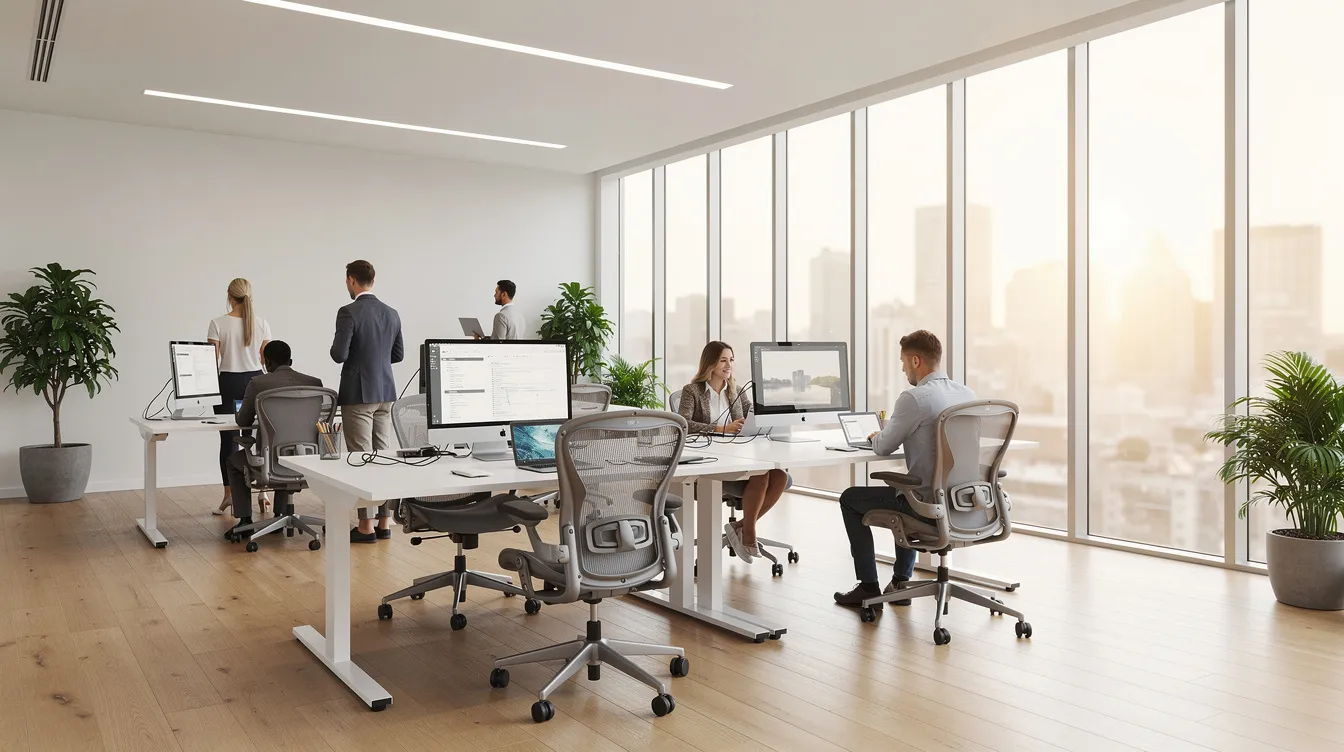
Corporate wellness is no longer a line item buried in HR's discretionary budget. It is a strategic lever that affects retention, productivity, compliance, and the ability to attract talent in a competitive market. This guide walks through what wellness programs for corporates look like today, why they matter, and how to build one that delivers measurable results-starting with the physical workspace itself.
Introduction to Corporate Wellness Programs
A corporate wellness program is an employer-led set of policies, services, environmental changes, and supports designed to improve health and well being across the workforce. You may also hear these called employee wellness programs or workplace wellness programs-the terms are used interchangeably and describe the same ecosystem.
What has changed is the scope. A decade ago, "wellness" often meant an annual health screening day and maybe a flu shot clinic. In 2026, the definition has expanded dramatically-especially in Singapore and the wider APAC region. Today it spans physical health, mental health, financial wellness, social connection, and environmental design, including ergonomics. That expansion was accelerated by post-COVID hybrid work, rising burnout rates across Asia, and a surge in musculoskeletal disorders tied to prolonged screen-heavy desk work.
Well-designed wellness programs support physical health, mental well-being, and financial security. But they only work when employers assess employee needs before implementing them, rather than copying a template from another organisation. In the sections below, we cover why wellness matters now, the core benefits, each major program component, and a practical step-by-step approach to getting started.
Why Corporate Wellness Programs Matter in 2026
The numbers paint a clear picture. According to the WHO, roughly 16% of working-age adults globally had a mental health disorder such as anxiety or depression as of 2023. In Singapore, the Ministry of Manpower reported an average of approximately 338 work-related musculoskeletal disorders per year between 2020 and 2023, with 91% being back injuries. A separate survey at Singapore General Hospital found that 73.4% of 324 office workers reported pain in at least one body part-neck pain at 46%, shoulders and low back both at around 42%.
Hybrid work, long hours, and screen-heavy roles make these health risks worse. Employees working from home often use non-ideal furniture, leading to sustained awkward postures, eye strain, and "tech neck." Meanwhile, high workload and low recovery periods drive anxiety, sleep issues, and mental health challenges.
These issues translate directly into business costs. Organizations investing in wellness could generate $11.7 trillion in economic value globally. And 87% of employees now consider health offerings when choosing employers, making wellness initiatives a core component of employer branding and talent strategy.
Key reasons wellness is now a board-level topic:
- Rising healthcare costs from preventable chronic conditions and musculoskeletal injuries
- Employee retention pressure-companies with wellness programs experience a 25% reduction in turnover
- Mental health issues driving absenteeism and presenteeism
- Regulatory expectations in markets like Singapore (MOM, WSH guidelines)
- Employer branding in a tight APAC talent market where 71% of firms already rate wellbeing as a strategic priority
Core Benefits of a Corporate Wellness Program
The business case for an effective corporate wellness program is backed by data, not just sentiment.
Financial gains:
- Companies with wellness programs reduce absenteeism by up to 25%
- 91% of companies report decreased healthcare costs from wellness programs
- Harvard Business Review reported a 6-to-1 return on investment for wellness programs, and a meta-analysis of 19 employers found a pooled ROI of approximately 2.3× with net savings of around US$159 per member per month
- 95% of companies measuring wellness ROI see positive returns
- Wellness programs can lead to a 6-to-1 return on investment when prevention, mental health, and ergonomics are combined
- Companies with wellness programs experience lower healthcare costs over 3–5 years through reduced chronic disease and injury claims
Cultural and operational gains:
- Companies with wellness programs report higher employee satisfaction and improved employee morale
- Wellness programs improve employee engagement and productivity
- Organizations with wellness programs see a 25% reduction in turnover, meaning lower recruitment and training costs
- Stronger employer brand, making it easier to attract talent
Practical example: A workplace wellness program that introduces ergonomic solutions for healthier, more productive workdays-adjustable chairs, monitor arms, posture education-can cut neck and back pain complaints and reduce sick days. In Singapore, where WMSDs account for the majority of occupational diseases, even a modest reduction translates into significant savings.
Key Components of an Effective Corporate Wellness Program
Think of a good wellness program as a framework with multiple interconnected pillars, not a single initiative.
A holistic approach includes:
- Physical health: Fitness programs, preventive screenings, ergonomic interventions
- Mental health: Stress management workshops, resilience training, employee assistance programs
- Financial wellness: Budgeting workshops, retirement planning, debt advisory
- Social connection: Team-building events, peer support, community activities
- Environmental and ergonomic design: Workspace layout, furniture, lighting, acoustics
Successful corporate wellness programs balance quick wins-like wellness challenges and lunch-and-learn talks-with structural changes such as workplace policies, workspace redesign, and leadership accountability. The sections that follow break down each component so you can see how they fit together into comprehensive wellness programs for your organisation.
Leadership Support and Wellness Culture
Leadership support is crucial for successful wellness program implementation. Without visible commitment from the top, wellness initiatives risk being dismissed as HR window dressing.
Effective wellness programs require visible buy-in from leadership. When leaders participate, employees follow. When leaders ignore wellness, so does the rest of the organisation.
Strong leadership involvement helps secure wellness program budgets and sustained investment. Leadership support boosts employee engagement in wellness programs and fosters a culture of health and wellness at work.
Concrete leadership behaviours that move the needle:
- Join the programs: Visible leadership participation encourages employee participation in wellness initiatives. When a CEO joins a posture challenge or attends a mental health talk, it sends a signal that wellness is valued-not optional.
- Create structural space: Leaders blocking "no-meeting" focus hours or enforcing right-to-disconnect policies after hours.
- Embed wellness into KPIs: Manager evaluations that include wellness culture metrics-team satisfaction, health and safety compliance, participation rates.
- Attend and co-host: Leaders who attend ergonomic roadshows, health education sessions, and wellness committee meetings alongside staff.
- Recognise and reward: Celebrating teams or individuals who consistently engage with wellness goals, from standing desk usage to completing mental health literacy modules.
- Talk about it openly: Leaders sharing personal experiences with workplace stress, ergonomic adjustments, or mental wellbeing normalises these conversations across the company.
Leadership support is crucial for program success at every stage, from pilot to scale.
Physical Wellness and Preventive Health Initiatives
Physical wellness is the most visible pillar of any employee wellness program and often the easiest to get started with.
Physical activity challenges promote movement and social engagement-step competitions, mobility streaks, or "movement break" goals tracked over 30 days. Smoking cessation programs help employees quit smoking effectively and are a proven, high-impact intervention. Nutrition education programs promote healthier eating habits at work, and providing healthy snacks in break rooms reinforces those messages daily.
Physical health initiatives include providing ergonomic office furniture for injury prevention-one of the most cost-effective investments given the MSD data in Singapore's workforce.
Key physical wellness elements:
- Gym memberships or fitness subsidies, including virtual fitness platforms
- On-site or virtual exercise classes (yoga, Pilates, desk gymnastics)
- Step or movement challenges designed for varying fitness levels, including employees with disabilities
- Preventive healthcare: annual health screenings, vaccination clinics, health coaching
- Ergonomic wellness checks and posture analysis to catch risks early
- Choosing the right office chairs that support spinal alignment and reduce fatigue
- Healthy eating initiatives and nutrition challenges
These programs can be tracked with simple apps, wearables, or internal platforms. The key is inclusivity-design fitness challenges so that a receptionist, a developer, and a warehouse worker can all participate meaningfully.

Mental Health and Employee Assistance Programs
Mental health is now the single largest area of increased wellness investment globally. In the Wellable 2025 trends report, 82.6% of brokers reported increased spending on mental health programs, with stress and resilience close behind at 70.2%.
Employee assistance programs provide confidential mental health support, typically offering short-term counselling, crisis lines, legal and financial referrals, and manager consultation. A US cohort study across 66 employers found that comprehensive mental health benefits produced large reductions in depression and anxiety symptoms, with positive salary savings across wage levels.
Mental health resources should be promoted actively. Stigma around seeking help remains a barrier, especially in Asia, and passive availability is not enough.
Core mental health program elements:
- Stress management workshops, mindfulness sessions, resilience training
- Confidential counselling through EAPs with clear communication about how to access it
- Manager training to recognise red flags: withdrawal, performance drops, emotional changes
- Peer support programs-a 2026 Indian study demonstrated the feasibility of structured peer support for mental wellness among corporate employees
- Stigma reduction campaigns using real stories, not just posters
- Clear escalation pathways so employees and managers know what to do in a crisis
- Social connection activities that foster community and belonging in the workplace, such as team wellness events, volunteer days, and mentoring circles
Mental wellbeing and emotional well being are not soft topics-they are directly tied to productivity, engagement, and retention.
Financial Wellness Programs and Money Stress
Financial stress is one of the most underestimated drivers of poor mental well being, distraction, and absenteeism. Employees worried about debt, retirement, or daily budgets cannot focus fully on their work.
Financial wellness programs help employees manage debt and budget effectively. Financial wellness workshops improve budgeting and retirement planning skills, and when offered consistently they reduce a meaningful source of workplace stress.
Practical financial wellness activities:
- Monthly or quarterly budgeting workshops with actionable frameworks
- Retirement planning clinics-especially relevant in Singapore where CPF top-ups, property planning, and tax incentives create complexity
- Debt counselling and student loan advisory sessions
- Digital financial education modules employees can complete at their own pace
- One-on-one financial coaching offered in anonymised or opt-in formats
- Lifestyle Spending Accounts or wellness stipends where budgets allow, letting employees allocate funds toward personal health, education, or wellbeing
Financial education should be recurring and concrete-not a single annual seminar. In Singapore's context, helping employees navigate CPF planning, SRS accounts, and property-related decisions adds genuine value.
Health Education and Continuous Learning
Health education is the low-cost backbone of any corporate wellness program. It scales easily, drives awareness, and supports behaviour change over time. Wellness education delivered consistently keeps wellness top of mind and gives employees the educational resources they need to make better daily decisions.
Priority topics based on regional data and science:
- Posture and back care: Given that 46% of Singapore office workers report neck pain and 42% report low back pain, this is a high-impact topic
- Eye health: Screen breaks, blue light management, and the 20-20-20 rule
- Nutrition basics: Balanced meals, hydration, and healthy eating habits
- Sleep hygiene: Improving sleep quality, managing screen time before bed
- Chronic disease prevention: Awareness of hypertension, diabetes, cardiovascular risk
- Mental health literacy: Recognising signs of burnout, anxiety, depression, and knowing where to seek help
Formats that work: lunch-and-learn talks, short webinars, micro-learning tips in newsletters or Slack channels, and recorded content on internal platforms. Use data-claims trends, health screening results, pulse surveys-to select topics that match actual employee needs rather than guessing.
Ergonomics, Workspace Design, and Environmental Wellness
Environmental wellness covers the physical conditions of the workplace: furniture, layout, lighting, acoustics, air quality, and thermal comfort. It is one of the most tangible ways to support employee health because it shapes every hour of the workday.
Poor ergonomics is a primary driver of work-related musculoskeletal disorders. In Singapore, WMSDs accounted for 60% of all confirmed occupational disease cases between 2019 and 2021. The key risk factors are straightforward: awkward posture, prolonged static sitting, repetitive motion, and insufficient breaks.
What an ergonomic office assessment should cover:
- Workstation setup review: monitor height, keyboard offset, chair lumbar support, desk height
- Posture coaching: educating employees on neutral spine alignment, micro-breaks, correct screen distance
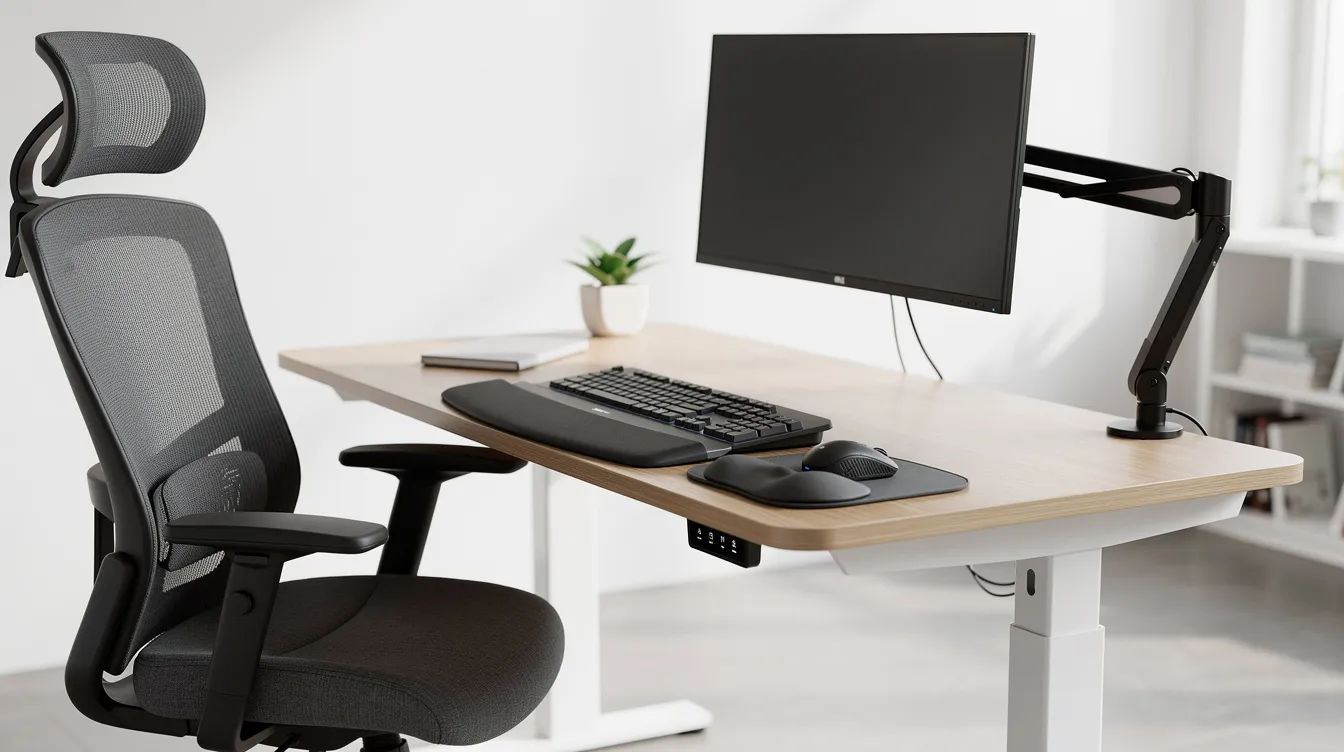
- Equipment recommendations: height-adjustable desks, monitor arms, chairs with proper lumbar support
- Risk documentation: recording findings and tracking improvements over time
- Lighting and acoustics: reducing glare, managing noise with layout changes or acoustic solutions
For hybrid and remote staff, home office ergonomics is equally important. Many employees lack adjustable furniture at home. Stipends, approved equipment lists, or equipment loans help close this gap. In hot-desk or shared office environments, infrastructure must be adjustable per user-fixed-height desks and non-adjustable chairs undermine any wellness investment.
A well-designed workspace is not a perk. It is the foundation of physical wellness and a direct lever on productivity and injury prevention. For ideas on modern workspace design in Singapore, consider how layout, furniture selection, and environmental controls work together.
How Ergoworks Supports Ergonomic Corporate Wellness
At Ergoworks, ergonomic wellness is our core contribution to any corporate wellness program. We focus on the intersection of workspace design, posture science, and practical solutions that organisations can implement immediately.
Services we bring to your wellness program:
- Ergonomic wellness check: A structured review of your team's workstation setups, identifying risk factors and recommending targeted improvements.
- Free spinal check: Individual spinal assessments that give employees a clear picture of their posture health and areas needing attention.
- Free posture check: Quick posture screenings that can be run as part of a wellness roadshow, giving staff immediate, actionable feedback.
- Ergonomic office assessment: A comprehensive evaluation of your office environment covering furniture, layout, lighting, and workflow, with documented recommendations and follow-up support.
Ergonomic solutions we provide:
- Medically endorsed ergonomic chairs designed for sustained comfort and spinal support
- Height-adjustable ergonomic standing desks that encourage sit-stand transitions throughout the day
- Monitor arms that position screens at the correct eye level, reducing neck strain
- Mobile workstations for flexible office environments
- Acoustic pods for focused work and private calls in open-plan offices
Education and technology:
Our Ergonomic Talks and AI Posture Analysis combine live workshops with tech-driven posture feedback. During these sessions, employees learn correct ergonomic setup, participate in posture assessments using AI-powered posture analysis apps, and receive personalised recommendations. These events work as standalone wellness initiatives or as a component of a larger corporate wellness calendar.
Programs provide employees with both the knowledge and the physical tools to improve their daily work habits-not just a one-time talk they forget by the following week.
Ready to bring ergonomic wellness into your workplace? Explore our Ergonomic Talks & Roadshows to see how these sessions fit into your broader wellness strategy.
Workplace Policies that Support Wellness
Policy changes often have greater long-term impact on workplace wellbeing than standalone wellness events. A yoga class helps; a policy that protects recovery time helps more.
Effective workplace wellness programs embed wellness into formal HR policies and handbooks so employees clearly understand entitlements and available resources.
Policy areas that matter:
- Flexible work arrangements: Flexible work arrangements improve work-life balance and reduce stress. This includes hybrid schedules, compressed workweeks, and flexibility around start/end times.
- Right-to-disconnect guidelines: Clear expectations that emails and messages sent after hours do not require immediate responses.
- No-meeting blocks: Protected focus hours (e.g., no meetings before 10am or after 4pm on certain days) to reduce cognitive overload.
- Structured return-to-work support: Graduated re-entry after illness, injury, or parental leave, including ergonomic reassessment of workstations.
- Wellness leave or mental health days: Dedicated leave categories that encourage employees to prioritise well being without stigma.
When wellness is written into policy-not just promoted during Wellness Week-it becomes part of how the organisation operates.
Designing Wellness Challenges and Engagement Activities
Wellness challenges are one of the fastest ways to spark participation and build healthy habits across teams.
Design principles that work:
- Keep rules simple: Clear objectives, straightforward tracking, minimal admin burden.
- Make it inclusive: Options that accommodate different fitness levels, roles (office, remote, frontline), and abilities. A "micro-stretch breaks" challenge works for someone in a wheelchair just as well as someone who runs marathons.
- Add small rewards: Recognition, small prizes, or team-based incentives that encourage employees to participate consistently.
- Integrate ergonomic elements: A "sit-stand desk usage challenge" tracked over 30 days, a "posture check-in" streak where employees log daily posture self-assessments, or a hydration goals tracker.
- Track and celebrate: Use simple apps, shared dashboards, or team leaderboards. Celebrate milestones publicly.
Fitness challenges, nutrition challenges, and movement-based competitions all promote healthy lifestyles while building social connection across departments. The best wellness challenges help employees achieve wellness goals they would not have pursued on their own.
Measuring Impact: From Participation to ROI and VOI
You cannot improve what you do not measure. Effective wellness programs include measurable company goals from day one, not as an afterthought.
95% of companies measuring wellness ROI see positive returns. But the key is measuring the right things at the right time.
What to track:
- Participation metrics: Sign-ups, attendance, repeat engagement across different wellness offerings
- Employee participation rates indicate program effectiveness-low uptake signals a design or communication problem
- Health outcomes: Changes in health risk assessment results, injury rates, chronic disease markers over 12–24 months
- Absenteeism and presenteeism trends: Companies with wellness programs reduce absenteeism by up to 25%
- Turnover and retention data: Organizations with wellness programs see a 25% reduction in turnover
- Employee feedback: Regular employee feedback improves wellness program relevance and effectiveness. Pulse surveys, listening sessions, and suggestion channels capture qualitative insights.
- Integration with HR technology enhances data tracking, making it easier to correlate wellness participation with engagement scores and retention data.
Regular evaluation of results is essential for improvement. Use a simple 12–24 month framework: baseline in month one, mid-point check at six months, full evaluation at 12 months, and trend analysis at 24 months. Distinguish between ROI (reduced healthcare costs, fewer injury claims) and VOI (employee morale, culture, employer brand perception). Regular assessments improve program effectiveness and relevance over time.
Building a Corporate Wellness Program Step-by-Step
Building a program that lasts requires a structured approach, not a burst of enthusiasm followed by neglect.
Step 1: Assess needs. Employers should assess employee needs before implementing wellness programs. Use health screening data, claims history, pulse surveys, and focus groups to identify the biggest issues. If 40% of your workforce reports neck or back pain, ergonomics should be a priority.
Step 2: Define goals. Set clear, measurable objectives tied to business outcomes-reduce absenteeism by X%, improve engagement scores by Y points, cut MSD-related claims by Z%.
Step 3: Secure leadership backing. Leadership support is crucial for program success. Present the business case using regional data and ROI benchmarks.
Step 4: Form a wellness committee. A cross-functional wellness committee with representatives from HR, WSH/HSSE, line management, and employee groups ensures diverse input and accountability.
Step 5: Choose focus areas. Based on your needs assessment, prioritise 2–3 pillars (e.g., ergonomics + mental health + financial wellness) rather than trying to do everything at once.
Step 6: Select partners. Choose vendors for specialised areas-an ergonomic partner like Ergoworks, an EAP provider for mental health support, a financial wellness specialist. Each partner should bring evidence-based methods and regional experience.
Step 7: Pilot programs. Start small-one department, one location-to test, learn, and refine before scaling.
Step 8: Scale and iterate. Regular employee feedback improves wellness program relevance and effectiveness. Use wellness data from the pilot to adjust programs, expand what works, and retire what does not.
Corporate Wellness Programs in Singapore and Asia
Singapore has a well-developed regulatory framework that intersects directly with corporate wellness.
The Ministry of Manpower tracks work-related musculoskeletal disorders-WMSDs were the second highest type of occupational disease in 2022–2024. MOM's WSH guidelines and codes of practice set expectations for ergonomic risk management, and medical professionals are required to report occupational diseases. The Health Promotion Board offers workplace health promotion programs and tools like the Healthy 365 app.
For companies operating in Singapore, corporate wellness programs that address ergonomics and mental health support regulatory compliance and reduce liability around WMSDs and stress-related conditions. Government grants and subsidies may be available for ergonomic training and risk mitigation, and aligning with WSH guidelines strengthens your compliance posture.
Organizations with wellness programs report higher employee engagement and see measurable reductions in turnover and healthcare spend-outcomes that matter to boards and regulators alike. At Ergoworks, we support organisations across Singapore and the broader Asian market with solutions informed by local regulatory knowledge and regional workplace realities.
Choosing Partners and Platforms for Your Wellness Program
No single vendor can deliver every component of a comprehensive wellness program. The goal is to build a small ecosystem of partners, each strong in their domain.
What to look for:
- Experience with corporate clients: Ask for case studies, references from similar-sized organisations, and evidence of measurable outcomes.
- Data privacy safeguards: Especially critical for mental health, financial wellness, and health screening data.
- Evidence-based programs: Preference for providers who can point to published research, validated tools, or recognised frameworks.
- Scalability and flexibility: Can the provider serve 50 employees or 5,000? On-site, virtual, or both?
- Local presence in Asia: Providers who understand APAC workplace norms, regulatory requirements, and cultural sensitivities.
Types of providers to consider:
- Ergonomic specialists (like Ergoworks) for workspace assessment, furniture, and posture education
- EAP and mental health vendors for counselling, crisis support, and manager training
- Financial wellness consultants for workshops, coaching, and digital education
- Digital wellness platforms for challenges, tracking, and engagement
Common Pitfalls and How to Avoid Them
Even well-intentioned wellness programs fail. Here are the most common mistakes:
- One-off wellness days with no follow-up: A single health screening or wellness talk does not change behaviour. Build recurring touchpoints-monthly talks, quarterly challenges, annual assessments.
- Focusing only on fitness perks: Gym memberships and healthy snacks are nice, but they do not address ergonomic risk, mental health issues, or financial stress. Effective workplace wellness programs cover the full spectrum.
- Ignoring ergonomics: Given that WMSDs are a leading occupational disease in Singapore, skipping workspace assessment is a costly oversight.
- Failing to adapt for all roles: Programs designed only for desk-based office workers exclude shift workers, frontline staff, and remote employees. Inclusive design matters.
- Confidentiality concerns: Low trust can tank participation in mental health or financial wellness programs. Clear data privacy policies and anonymised participation options are essential.
- "Wellness washing": Promoting wellness externally while internally maintaining toxic workloads, poor ergonomics, or no real mental health resources. Match messaging with real policy and environment changes.
- No measurement framework: Without tracking, you cannot prove impact, justify budget, or improve. Employee participation rates indicate program effectiveness-use them.

Getting Started with Ergoworks-Led Corporate Wellness
Ergonomic wellness is one of the most visible, measurable, and immediately impactful entry points for any corporate wellness program. Employees feel the difference on day one-in their posture, comfort, and energy levels. Holistic wellness includes mental, emotional, and financial health, and ergonomics is the physical foundation that supports everything else.
Here is a simple starting pathway:
- Schedule an ergonomic office assessment. Our team evaluates your workspace-furniture, layout, lighting, workflow-and delivers documented recommendations with clear next steps.
- Organise an Ergonomic Talk with AI Posture Analysis. Combine live education with tech-driven posture feedback. Employees learn correct setup, get assessed using AI posture analysis apps, and receive personalised guidance.
- Host a free spinal and posture check roadshow. Quick individual screenings that give every participant a snapshot of their posture health-high engagement, immediate value.
- Plan phased furniture upgrades. Start with the highest-impact items-ergonomic chairs, standing desks, monitor arms-and scale across teams and locations. Add acoustic pods for focused or private work in open-plan offices.
These ergonomic improvements dovetail naturally with broader wellness initiatives. When you reduce physical discomfort, you also reduce workplace stress, improve employee wellbeing, and create a foundation for mental health support and financial wellness programs to build on.
Organisations that encourage employees to take ownership of their physical workspace-with the right tools and knowledge-build a culture where proactive health management becomes the norm, not the exception.
Ready to start? Visit our Ergonomic Talks & Roadshows page to discuss a tailored corporate wellness package for your organisation. Whether you are building your first wellness program or strengthening an existing one, ergonomics is where results begin.