

SG Ergonomic Chair Guide: How Ergoworks Helps Singapore Sit Better
Singapore ranks among countries with the longest average working hours globally, and most of those hours are spent sitting. This guide breaks down what makes an SG ergonomic chair worth buying, which ergonomic features matter most for local conditions, and how Ergoworks' range of ergonomic chairs fits different workspace needs across the island.
Quick Answers: What Makes a Good Ergonomic Chair in Singapore?
Before diving into product comparisons and workspace strategies, here is the short version: the features that separate a good ergonomic office chair from a basic one.
Ergonomic chair design includes features like lumbar support, adjustable armrests, and breathable materials. For Singapore specifically, look for:
- Adjustable lumbar support that moves up and down, and in and out, to match your lower back curve during 8-to-10-hour workdays
- Seat height and adjustable seat depth so your feet rest flat on the ground and your thighs get full support without pressure behind the knees
- Balanced recline with tension control so you can shift posture throughout the day rather than locking into one position
- 2D, 3D, or 4D armrests that align your elbows with your desk to reduce strain on wrists and shoulders
- Breathable mesh backs or ventilated materials suited to Singapore's climate, where humidity makes foam-backed chairs uncomfortable within an hour
Ergonomic chairs reduce strain on muscles and support the spine, which matters for a work culture defined by hybrid setups, long desk hours, compact HDB rooms, and heavy screen use. Compact ergonomic chairs are ideal for small workspaces in urban areas like Singapore, where a home workspace might double as a dining area.
Two concrete examples that tick these boxes: the Ergoworks Truly One Chair (mesh back, adjustable lumbar, headrest, 120 kg capacity) and the D2 Dual Comfort Chair D2-200M (dual backrest, Korean mesh, 3D armrests, seat depth adjustment).
|
Feature |
Basic Office Chair |
Ergonomic Office Chair |
|---|---|---|
|
Lumbar support |
Fixed pad or none |
Height- and depth-adjustable lumbar |
|
Materials |
Solid foam or fabric back |
Breathable mesh or ventilated panels |
|
Recline |
Fixed or narrow tilt range |
Synchro-tilt, lockable positions, tension control |
|
Armrests |
Fixed height only |
Adjustable height, width, angle (2D to 4D) |
 Why Ergonomic Office Chairs Matter for Singapore Workspaces
Workers in Singapore benefit from ergonomic chairs due to the high sedentary culture across financial districts, tech parks, and home offices. From Raffles Place to one-bedroom HDB flats repurposed as remote-work stations, prolonged sitting can accelerate spinal fatigue and discomfort for anyone spending 8+ hours at a desk.
The numbers back this up. From 2020 to mid-2024, an average of 338 work-related musculoskeletal disorders were reported each year in Singapore, and about 91% involved back injuries. A separate survey of 324 Singapore office workers found that 73.4% reported pain in at least one area: 46% in the neck, 42% in shoulders, and 42% in the lower back. Female workers reported higher prevalence (78.8%) compared to males (63.9%). The Ministry of Manpower emphasizes ergonomic practices to reduce occupational health claims tied to these injuries.
Poor posture and unsuitable office chairs feed a cycle of chronic neck pain, shoulder pain, and lower back strain. Ergonomic designs can prevent short- and long-term health issues by promoting proper posture and distributing body weight evenly across the seat. Proper seating can enhance focus and reduce fatigue during work, which translates into fewer sick days and better output.
Ergonomic office chairs are one component of a broader ergonomic office strategy that includes standing desks, monitor arms, footrests, and correct lighting. But the chair is the piece you spend the most contact hours with, making it the logical starting point for improving well being in any workspace.
Top benefits of switching to an ergonomic chair:
- Reduced reports of low back, neck, and shoulder pain
- Lower absenteeism tied to musculoskeletal complaints
- Higher work efficiency through sustained comfort
- Long term comfort that compounds over years of daily use
Key Ergonomic Features to Look For in an SG Ergonomic Chair
Use this as a checklist when evaluating any ergonomic chair for your body, your desk, and your available space.
- Adjustable lumbar support (height and depth): Adjustable lumbar support helps maintain the spine's natural curve. A fixed pad cannot account for differences in torso length or spinal curvature. Proper lumbar support reduces lower back strain across an entire workday, not just the first hour.
- Headrest and neck support: A 3D-adjustable headrest supports the cervical spine during video calls, dual-monitor setups, and reading. Without it, forward-head posture develops over weeks and leads to chronic neck issues.
- Seat height, depth, and waterfall edge: Ergonomic chairs feature adjustable seat height, depth, lumbar support, and armrests. Seat height should let your feet rest flat on the floor. Adjustable seat depth can enhance thigh support and comfort by leaving a 2-to-3-finger gap behind the knees. A waterfall (downward-curved) front edge reduces pressure on the underside of thighs and promotes better circulation and reduces fatigue.
- Backrest recline and synchro-tilt: Sitting rigidly at 90 degrees all day is not correct posture; the body needs movement. A synchro-tilt mechanism lets the seat and backrest move together, creating even pressure distribution across the spine. Look for lockable recline positions and tension control you can adjust by body weight.
- Armrest adjustability (2D/3D/4D): Adjustable armrests maintain a 90-degree angle for optimal posture at the elbow, reducing load on the shoulders and wrists. Adjustable features in ergonomic chairs help prevent repetitive strain injuries from typing and mouse work over extended periods.
- Breathable mesh and cooling materials: Singapore's humid climate favors high-grade breathable materials for seating. Breathable materials improve airflow and comfort in warm climates, especially in home offices without full-day air conditioning. Mesh backs conform to the back's shape while allowing heat to dissipate.
Many ergonomic chairs feature tool-free adjustments for ease of use, meaning you can fine-tune every setting with levers and dials rather than an Allen key.
Ergoworks SG Ergonomic Chair Range: Solutions for Every Workspace
Ergoworks is a local brand that started in Singapore in 2001 and launched its own product line in 2005. As both a B2B and B2C supplier, the company provides ergonomic furniture alongside advisory services for posture wellness. Several Ergoworks chairs carry endorsements from the Singapore Physiotherapy Association and the Chiropractic Association of Singapore.
The Ergoworks ergonomic seating collection spans task chairs, mesh ergonomic office chairs, and lounge seating. The following sections cover four key models, each specifically designed for a different use case: the Truly One Chair, Standing Mate Chair, D2 Dual Comfort Chair D2-200M, and Low-Floor Soft Lounge Sofa.
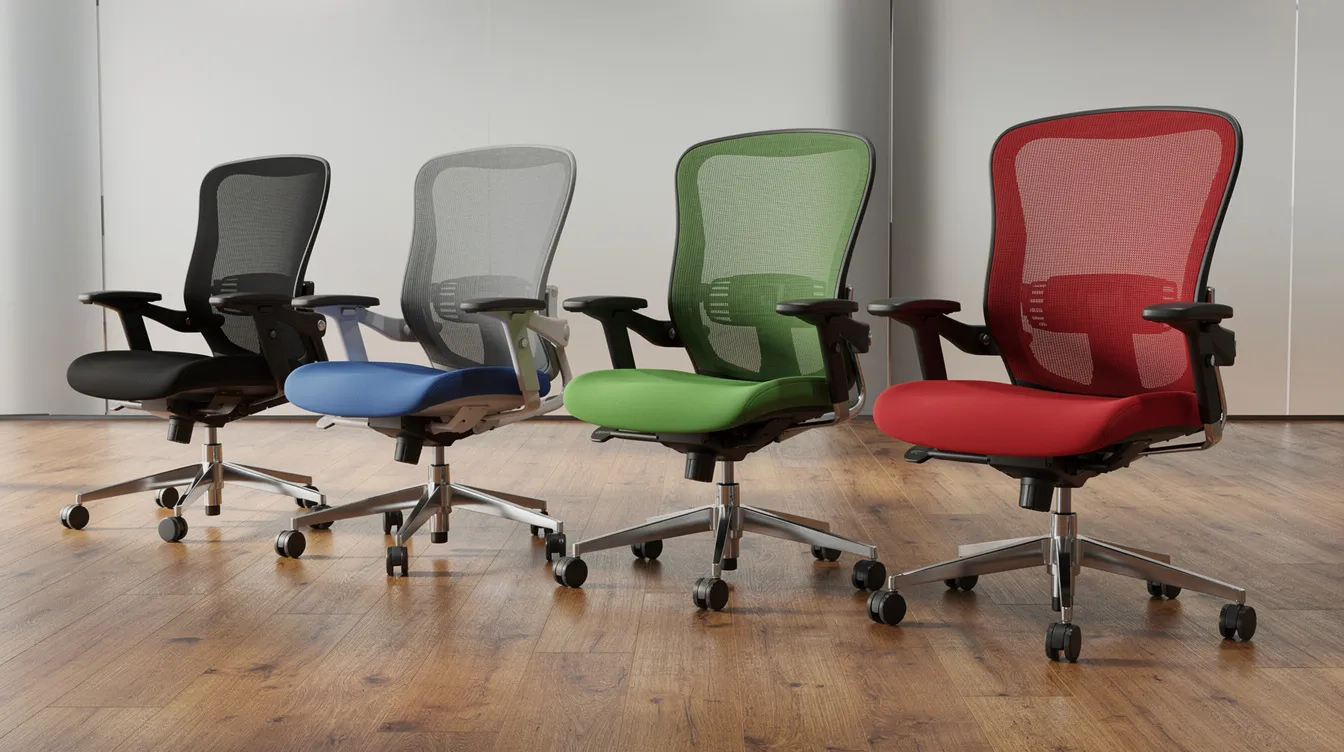
Truly One Chair: Everyday Ergonomic Office Chair for Singapore Desks
The Truly One Chair is built for everyday comfort across corporate desks and home study setups. It fits users from 140 cm to 180 cm tall and handles up to 120 kg.
Core ergonomic features include a height-adjustable headrest, precision adjustable lumbar support, a breathable mesh backrest, and a high-density molded sponge seat that provides contoured cushioning. Ergonomic chairs support the spine and promote healthy sitting habits; the Truly One does this through a combination of mesh back tension and lumbar depth control that maintains spinal alignment over long hours.
Ergonomic chairs promote proper posture and reduce long-hour fatigue, making this model suit CBD offices, HDB study corners, university students, and remote workers who need a reliable chair for their daily routine without spending on a premium tier.
Who should pick the Truly One vs. other Ergoworks models:
- Choose Truly One if you need a solid all-rounder for a standard desk at an accessible price point
- Choose D2 Dual Comfort if you want dual-backrest support and a full-mesh build for warmer rooms
- Choose Standing Mate if your primary desk is height-adjustable and you alternate between sitting and standing
Ergonomic chairs support natural spine alignment during prolonged sitting, and the Truly One delivers that for users who do not need the multi-posture flexibility of a sit-stand chair.
D2 Dual Comfort Chair D2-200M: Mesh Ergonomic Chair for Long-Hour Focus
The D2 Dual Comfort Chair D2-200M is a premium ergonomic mesh office chair with a dual-backrest system that contours separately to the left and right sides of the spine. The mesh is sourced from South Korea and rated for both durability and airflow.
Breathable mesh chairs are preferred in humid environments for comfort, and the D2's full-mesh back and seat construction makes it a strong pick for non-aircon home offices or warmer corners of open-plan workspaces. A well-designed chair can enhance focus during long work hours; the D2 supports that through its backrest tilt-lock (three positions via lever), tension control matched to body weight, and 3D adjustable armrests (height, angle, width).
Additional specs: seat height range of approximately 43 cm to 54 cm, adjustable seat depth, and a weight capacity of 120 kg for users between 140 cm and 170 cm tall. The D2 is suitable for work, study, and even light gaming, making it versatile ergonomic furniture for modern Singapore lifestyles. Unlike dedicated gaming chairs that prioritize aesthetics and bucket-seat shapes, the D2 prioritizes back support, natural posture, and sustained airflow.
Adjustable ergonomic chairs can cater to various body types, and the D2's range of adjustments makes it one of the best mesh office chairs for cooler, healthier seating in Singapore.
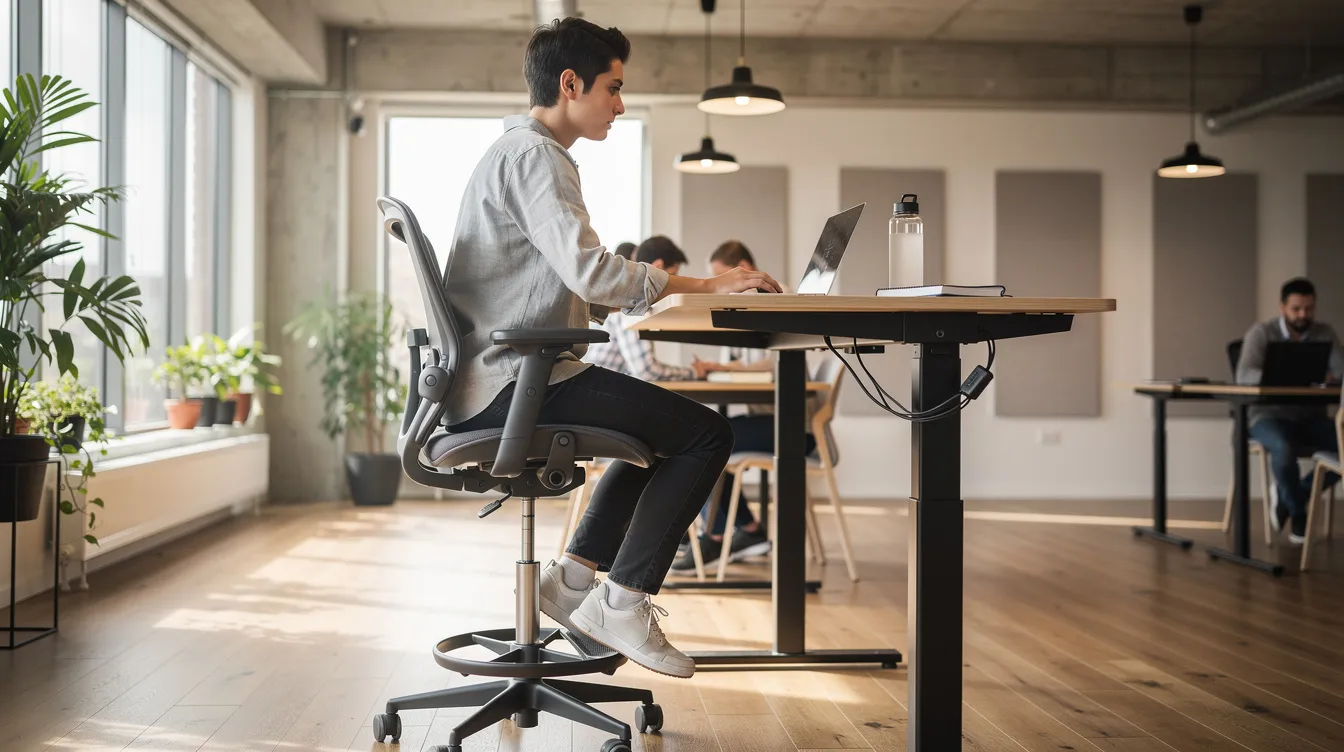
Standing Mate Chair: Ergonomic Chair for Standing Desks and Active Workstyles
Sit-stand workstations are becoming standard across Singapore offices, but a conventional ergonomic chair cannot transition between seated and elevated postures. The Standing Mate Chair fills that gap.
It supports eight working postures: upright sitting, straddling, reclining, perching, leaning, kneeling, and more. Some chairs offer a recline range of 90° to 155° for relaxation; the Standing Mate extends its backrest adjustment up to 167° with a lockable twist angle, making it one of the most flexible seating options for active work styles. An integrated Anti-Fatigue Mate foot cushion reduces pressure on feet, knees, and joints during standing intervals.
Ideal users include creatives at drafting tables, healthcare staff at high counters, reception workers, and knowledge workers who pair the chair with a height-adjustable desk.
Pairing Standing Mate with a full ergonomic setup:
- Combine with an Ergoworks standing desk for seated-to-standing transitions without switching chairs
- Add a monitor arm to keep your screen at eye level in both sitting and standing positions
- Use the foot cushion for standing intervals to provide comfort and reduce strain on lower joints
Low-Floor Soft Lounge Sofa: Ergonomic Lounge Seating for Breakout Spaces
Ergonomic furniture extends beyond task chairs. The Low-Floor Soft Lounge Sofa brings ergonomic thinking to lounge areas where employees rest and recharge.
This low-profile seat uses multi-density ergonomic foam with an enveloping pleated design and an integrated back pillow. Unlike traditional soft sofas that often collapse under body weight and offer poor back support, this lounge sofa is purpose-built for even pressure distribution in a reclined position. It supports the spine during informal meetings, quiet reading, or short power naps.
Typical applications in Singapore: creative breakout zones, office lounges in co-working spaces, executive rest areas, and quiet corners in corporate wellness rooms. The sofa fits the trend toward modern office interior design where recovery spaces sit alongside task-oriented workstations.
Ergonomic Office Furniture Ecosystem: Beyond the Chair
The best ergonomic chair works better when paired with complementary ergonomic office furniture. Ergonomic office furniture supports long-term musculoskeletal health, but only when each piece works together.
Ergonomic designs can boost daily comfort and productivity when you combine:
- Height-adjustable desk: Ergoworks standing desks let you alternate between sitting and standing, reducing the risks of prolonged sitting.
- Monitor arms: A monitor arm positions your screen at eye level, eliminating the neck-forward lean that causes chronic neck and shoulder issues.
- Accessories: Footrests, cable trays to reduce clutter and awkward reaching, and ergonomic LED desk lamps with Qi chargers complete a workspace built for long term sustainability.
Example setups:
- Basic WFH: Truly One Chair + compact standing desk + single monitor arm
- Executive office: D2 Dual Comfort Chair + full-width standing desk + dual monitor arm + Low-Floor Lounge Sofa in a reading nook
- Creative studio: Standing Mate Chair + height-adjustable drafting desk + LED desk lamp
- Hot-desking area: Truly One Chairs at shared desks + meeting pods for private calls
Corporate Ergonomic Solutions in Singapore: From Single Chair to Full Fit-Out
Ergoworks operates as a corporate partner for ergonomic solutions, not just a retail chair seller. Services include on-site workplace assessments, AI posture screening, Ergonomic Talks for staff wellness programs, bulk procurement, and full office fit-out planning.
Using ergonomic equipment can help meet workplace health and safety standards, including compliance with Singapore's SS 514 Code of Practice for Office Ergonomics, which specifies chair height ranges of 35 cm to 50 cm and backrest angles of 100° to 120°.
A documented case: a contact centre with 200 agents reported that 70% experienced low-back discomfort and 50% had neck pain. After nine months of implementing adjustable chairs, monitor arms, standing desks, and posture training, discomfort reports dropped by about 50%, musculoskeletal-related absenteeism fell by 30%, and productivity rose by roughly 10%. Investing in ergonomic setups reduces physical downtime and discomfort; proper ergonomic design can improve productivity by reducing discomfort across entire teams.
Ergoworks helps HR and facilities teams select chairs in bulk based on department work styles, recommending the Truly One for general office use or the D2 for teams logging intensive screen hours. Meeting pods and acoustic solutions round out broader office offerings.
How to Choose the Best Ergonomic Chair for Your Body and Workspace
Finding the right office chair starts with your body measurements and desk setup, not brand loyalty. Adjustable ergonomic features help accommodate different body types, so match your height and weight against the chair's recommended user range before anything else. Conduct extensive research on specs rather than relying on marketing photos.
Brands like Herman Miller and other brands in the premium tier offer tested ergonomic designs, but a local brand like Ergoworks provides the advantage of Singapore-based showrooms, local warranty service, and chairs calibrated for Asian body proportions.
Five-minute test checklist (in-showroom or at-home trial):
- Sit with your back against the lumbar; adjust until it presses into your lower back curve without pushing you forward
- Check that your feet rest flat on the floor and your thighs are parallel to the ground
- Align armrests with your desk surface so your elbows bend at 90 degrees
- Recline and release; the chair should return smoothly with no stiffness
- Sit for at least five minutes and note any heat build-up on the seat or back
- Confirm the chair fits your available space, including room to roll on your floor surfaces
Budget matters, but build quality determines how many years you get from a chair. A well-made ergonomic chair used for daily use over 5 to 10 years costs less per working hour than replacing a cheap office chair every 18 months. Shop with that long term comfort math in mind.
Care, Maintenance and Warranty for Ergonomic Chairs in Singapore
Proper care extends the life of ergonomic chairs and protects your investment in better posture and long term sustainability.
Mesh chairs:
- Dust or vacuum the mesh weekly to prevent fibre buildup
- Wipe the frame and armrests monthly with a damp cloth and mild soap solution
- Avoid harsh chemical cleaners that degrade mesh tension over time
Fabric, leather, or PU components:
- Blot spills immediately; do not rub
- Keep chairs away from direct sunlight, which cracks PU leather
- In Singapore's humidity, run a dehumidifier nearby if the chair sits in a non-aircon room for extended periods
Mechanical checks every 3 months:
- Test the gas lift by sitting and raising/lowering the seat; it should hold position without sinking
- Spin each caster wheel to check for hair or debris jams
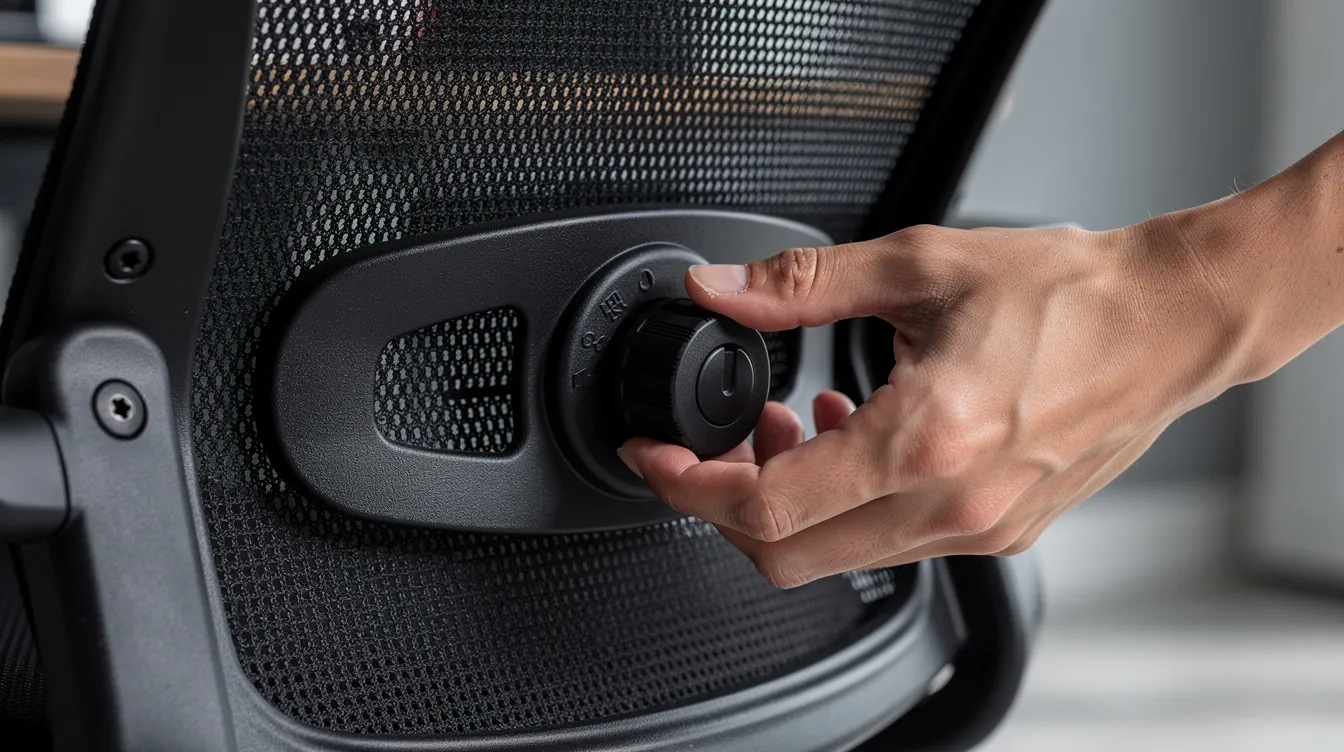
- Tilt the backrest through its full range and confirm the tension control knob responds smoothly
- Adjust all levers to confirm nothing has loosened
Ergoworks offers multi-year warranty coverage on structural frames and key mechanisms across its ergonomic seating lineup. Delivery and installation services are available for both home and corporate orders, so your chair arrives assembled and ready for your first day of sitting right.
If you are ready to find the best ergonomic chair for your workspace in Singapore, browse the Ergoworks ergonomic seating collection or visit an Ergoworks showroom to test-sit before you buy. For corporate enquiries, request an on-site assessment to match chairs to your team's work styles and office layout.